
The Sustainable Fishing Economy: Building a Greener Global Seafood Future
Introduction to the Economics of Sustainable Fishing
Contributing to sustainable fishing means economic growth balanced with protection of the environment and social welfare in the seafood sector both nationally and worldwide. This includes seafood caught responsibly, keeping the oceans and aquatic ecosystems healthy to continue producing food for generations to come.
We drive this transformation by supplying the world’s most discerning customers with the finest and most sustainably caught-and-farmed seafood. We supply the finest quality seafood in each category from Europe, Africa, Asia, and the Americas, sourced from fisheries and farms meeting stringent sustainability standards.
This section explores what constitutes a sustainable fishing economy, how such an economy supports livelihoods and ecosystems, and why access to responsibly sourced seafood constitutes an economic and moral imperative that should be secured for people in every region of the world.
Overview of the Concept of a Sustainable Fishing Economy
Defining Sustainable Fishing
The principles of sustainable fishery management involve maintaining fish stocks, observing catch limits, protecting habitats, and minimizing waste and bycatch.
It is within a sustainable fishing economy that each participant—from fishermen to processors, exporters, and consumers—plays a role in maintaining this delicate balance. It’s more than a philosophy; it’s measurable through traceability, certification, and innovation.
Sustainability and Economic Value
A healthy ocean supports millions of jobs and billions in global revenue. A thriving sustainable fishing economycontributes hundreds of billions of dollars annually to the world’s GDP while maintaining natural capital.
We add value to the global seafood chain through sourcing from sustainable wild-capture fisheries and eco-certified aquaculture farms. This ensures economic growth and job creation without sacrificing the ocean’s future.
Why the Sustainable Fishing Economy Matters Worldwide
1. Conservation of Marine Ecosystems
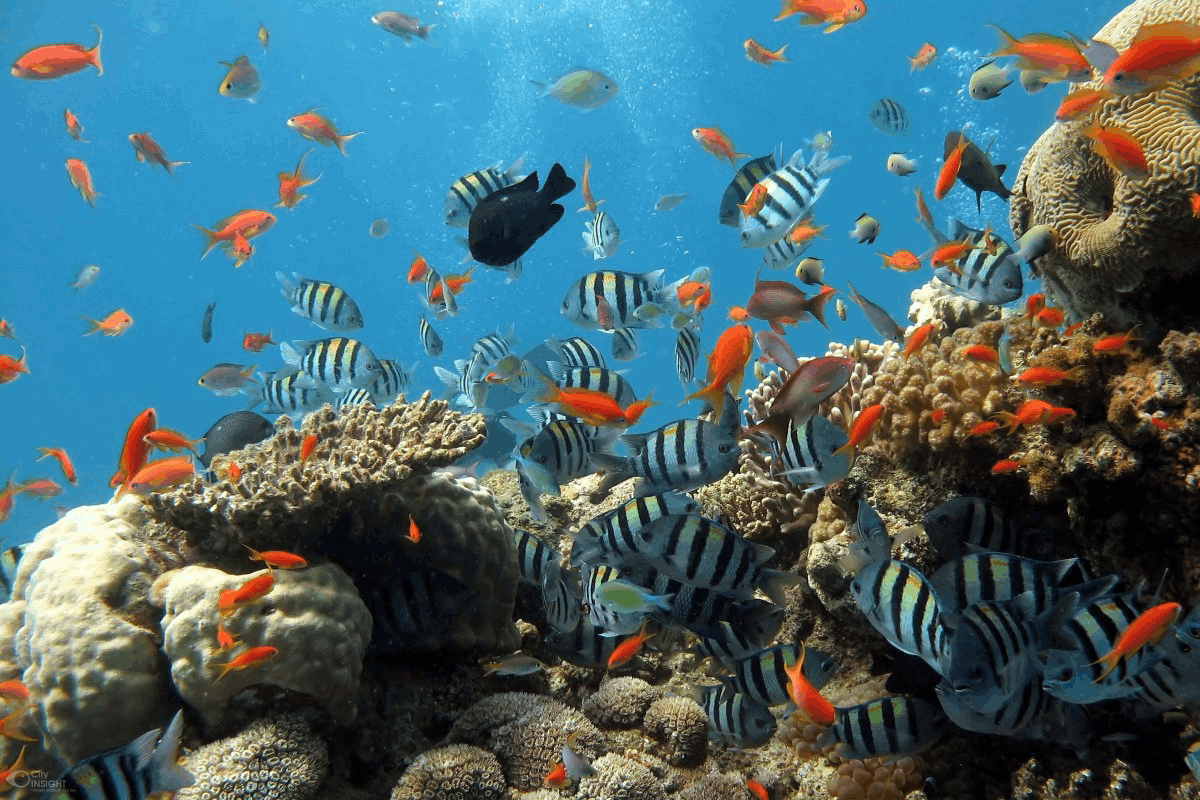
Traditional overfishing and harmful fishing methods destroy biodiversity and marine habitats. The sustainable fishing economy focuses on production methods that protect ecosystems rather than deplete them.
By buying from us, you support fisheries that protect coral reefs and minimize bycatch through ecosystem-based management.
2. Contribution Toward Global Food Security
Seafood remains one of the most nutritious foods in the world. A strong sustainable fishing economy ensures a steady supply of quality seafood globally.
We proudly supply the world’s tables with clean, sustainable seafood sourced with freshness, fairness, and accountability from capture to consumer.
3. Empowerment of Local Communities
Millions depend on fishing for their livelihoods. Sustainable practices allow these communities to thrive economically while preserving their waters.
Through modern traceability and fair-trade policies, we help connect coastal communities to international markets within the sustainable fishing economy.
Pillars of the Sustainable Fishing Economy
Environmental Sustainability
Goals include maintaining healthy fish populations, reducing shipping-related carbon footprints, and using renewable energy in fisheries.
We optimize cold-chain logistics to reduce waste and energy consumption at every stage of seafood transport.
Economic Viability
A robust sustainable fishing economy ensures fair prices, competitiveness, and long-term stability. With certified suppliers across continents, seafood accessibility and profitability are enhanced.
Social Responsibility
We uphold workers’ welfare, ethical sourcing, and gender equality. Our operations meet international labor standards to promote fairness throughout the seafood value chain.
Sustainable Fishing Economy vs. Unsustainable Practices
| Criteria | Sustainable Fishing Economy | Unsustainable Fishing |
|---|---|---|
| Resource Use | Controlled and monitored | Overexploitation |
| Ecosystem Impact | Protects habitats | Destroys biodiversity |
| Long-term Profit | Stable, scalable | Short-term gain |
| Consumer Confidence | High traceability | Limited transparency |
The difference is unmistakable: a sustainable fishing economy isn’t just better for the planet—it’s a smarter business model.
Our Place Within the Global Sustainable Fishing Economy
In addition to being a seafood supplier, we are an international voice for responsible sourcing. Our company develops sustainable aquaculture and wild-caught supply chains that deliver high-quality seafood to over 50 countries.
Global Reach
We source sustainable seafood from Douala to Dubai, Tokyo to Toronto, ensuring freshness upon arrival.
Certified Sources
We partner with fisheries certified by MSC and aquaculture farms certified by ASC.
Traceability Technology
Advanced traceability systems track every shipment from ocean to plate. Each customer can trace their seafood as part of the sustainable fishing economy.
Economic Benefits of a Sustainable Fishing Economy
1. Job Creation and Local Development
Millions are employed in sustainable fisheries and aquaculture. Well-managed fish stocks provide steady jobs and more value in global markets.
2. Stability for Global Trade
The sustainable fishing economy stabilizes supply and reduces volatility caused by overfishing or environmental disasters.
3. Growing Consumer Demand
Consumers increasingly demand sustainable seafood. Businesses in the sustainable fishing economy gain loyal customers and premium markets.
4. Cost Efficiency
Sustainability minimizes waste and maximizes value in the seafood value chain through proper management.
How Sustainable Fishing Advances Worldwide Seafood Delivery
At AquaGRAND, we combine sustainability with global access by ensuring responsibly sourced seafood is delivered to every continent through advanced logistics and partnerships.
Cold-Chain Logistics
Maintains product integrity from harvest to delivery.
Efficient Distribution
Uses eco-friendly packaging and optimized routes to reduce emissions.
Global Access
Our reach ensures that the benefits of the sustainable fishing economy extend worldwide.
Sustainable Aquaculture and Wild Capture Fishing Economy
Both aquaculture and capture fisheries play essential roles in a balanced seafood system.
Aquaculture Sustainability
Reduces pressure on wild fish stocks.
Uses certified feeds.
Ensures steady year-round supply.
Wild Capture Sustainability
Maintains biodiversity through quotas and selective gear.
Enhances flavor and authenticity.
Preserves cultural and traditional practices.
We integrate both to uphold a sustainable fishing economy that delivers quality, ethics, and consistency.
Building a Sustainable Fishing Economy: Challenges
While the benefits are clear, challenges remain:
Illegal, unreported, and unregulated (IUU) fishing
Limited access to sustainable technologies in developing regions
Market inequality and fluctuating prices
Through our global network, we help address these issues with transparent, traceable, and fair trade practices.
Technology and Innovation in Sustainable Fishing Economies
1. Artificial Intelligence and Automation
Used for fish stock assessment, sorting, and sustainable catch prediction.
2. Blockchain Traceability
Ensures transparency and trust in the supply chain.
3. Eco-Friendly Packaging
Biodegradable materials reduce environmental impact.
4. Renewable Energy in Fisheries
Solar and wind-powered operations reduce the carbon footprint of the sustainable fishing economy.
Case Studies: Sustainable Fishing Around the Globe
Case 1: Coastal Communities in Africa
We connect small-scale fishers in West Africa to global markets, improving income while preserving ocean health.
Case 2: Sustainable Tuna of the Pacific
Our Pacific partnerships deliver traceable, low-bycatch tuna for sushi-grade exports to Japan and beyond.
Case 3: Eco-Aquaculture in Asia
We source responsibly from Southeast Asian aquaculture farms, sustaining supply without harming ecosystems.
These examples show that a sustainable fishing economy works—economically and environmentally.
Sustainability Certification and Standards
To ensure integrity in the sustainable fishing economy, we comply with globally recognized certifications:
MSC (Marine Stewardship Council): Wild-capture sustainability
ASC (Aquaculture Stewardship Council): Responsible aquaculture
The Future of the Sustainable Fishing Economy
Global seafood demand continues to rise. The future depends on scaling sustainability while keeping oceans healthy and prices fair.
Key trends include:
Circular economy and waste recycling
Growth of global ethical seafood delivery
Technological innovation in fisheries
At ACFF, we innovate within the global seafood trade, meeting demand with responsibly sourced products for all markets.
Why Choose Us for Sustainable Seafood
Certified quality meeting global sustainability standards.
Full traceability from source to destination.
Freshness maintained by advanced logistics.
Purchases that strengthen communities and oceans.
By choosing us, you support the sustainable fishing economy every time you order.
How You Can Support the Sustainable Fishing Economy
Plan seafood consumption to minimize waste.
Support companies prioritizing environmental care.
Raise awareness about sustainable fisheries.
Buying from us means contributing directly to a sustainable fishing economy that empowers communities and protects marine life.
Countries We Ship To Include:
- United States
- United Kingdom
- Europe
- Canada
- Germany
- Italy
- UAE
- Saudi Arabia
- Singapore
- Japan
- South Africa
- Brazil
- Australia
- North America
- And many more….
Conclusion: Global Commitment to the Oceans
A sustainable fishing economy isn’t a trend—it’s the future of seafood and the planet. Your seafood choices protect ecosystems, ensure food security, and drive global economic growth.
We proudly deliver this promise to your doorstep—fresh, sustainable, and accessible worldwide.
Join us in shaping a better ocean economy today. Responsible sourcing is what we do best—let’s create true sustainability, one order at a time.