
How to Store Fresh Seafood at Home
Store Food: Nothing quite beats the smell, color, and anticipation of a great meal to come when it comes to introducing new seafood into your home. The thing is, seafood is really fragile, and proper storage makes quite a big difference. Knowing how to store seafood means you can have every bit of flavor and freshness without wasting it or compromising on safety.
This guide covers everything from fish and shellfish to crustaceans that you should know about keeping seafood fresh at home.
Why Proper Storage is Important
Freshness = Flavor
Seafood does not keep well, and a few hours over the wrong temperature makes all the difference in taste and texture. Of course, that would be very different if you knew how to store seafood properly: juicy, tender, flavor in every bite.
Safety First
Seafood is one of those foods that are more or less perishable; if poorly kept, they spoil and/or grow bacteria such as Salmonella and Listeria. Proper seafood storage protects you and your family by retaining the good flavors in meals.
Some Simple Home Storage Tips for Seafood
Keep It Cold
Your refrigerator is your seafood’s best friend. Your fresh seafood needs to be between 0°C – 4°C, or between 32 and 39°F. Be very exact and throw a thermometer in your refrigerator—you will hit the perfect temperature. This is how you set the very foundation of knowing how to store seafood properly.
Store in Airtight Containers
Air will hasten the spoilage of your seafood. Store in airtight containers or sealable bags for longevity and to prevent spreading the smell inside your fridge.
Avoid Cross-Contamination
Seafood should not be mixed with ready-to-eat food because seafood is supposed to be kept in such a way that no flavor or bacterial transfer happens. It requires proper organization for safe ways to store seafood.
Storing Different Types of Seafood
Fish
Whole fish: Gut and clean immediately. Store on crushed ice under refrigeration for maximum freshness.
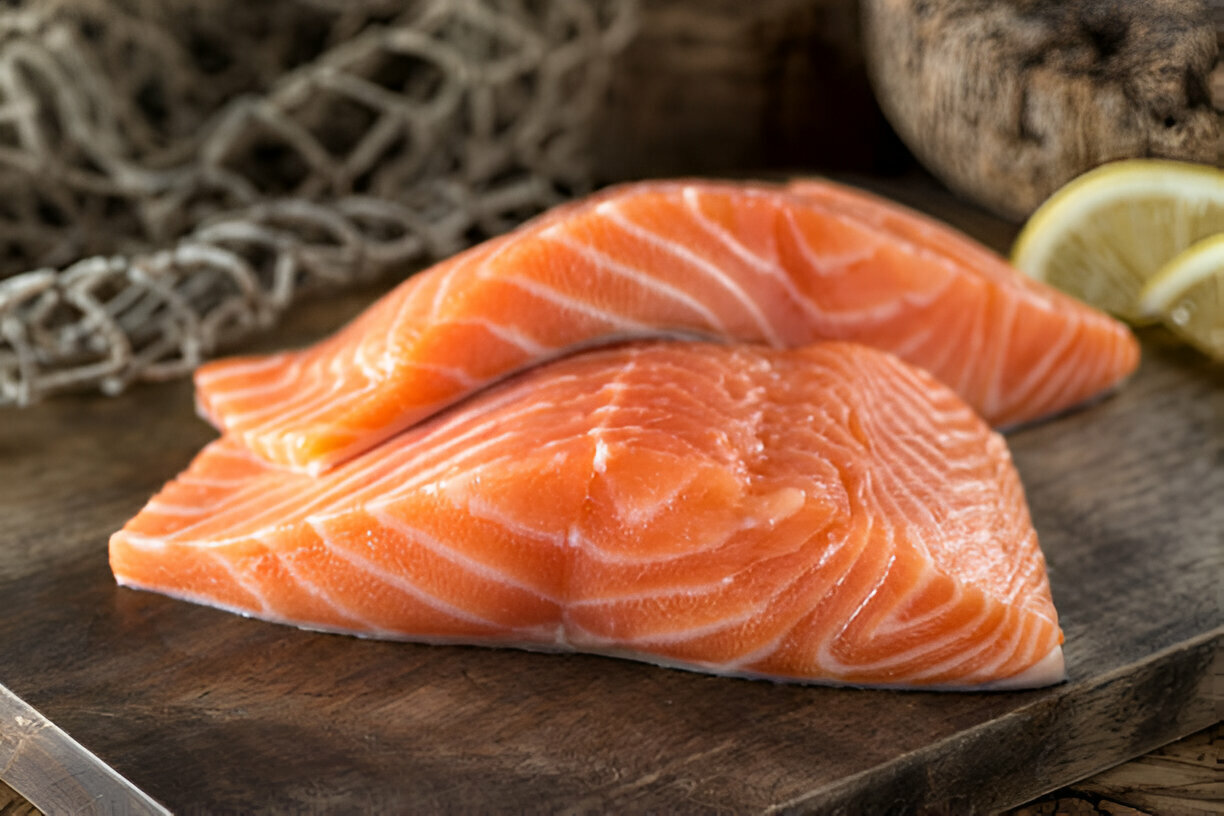
Fillets or steaks: Best tightly wrapped, either in plastic wrap or wax paper, then placed in an airtight container on the coldest shelf.
A fish can remain fresh for two days, provided it is stored correctly. Proper care ensures you store seafood safely and deliciously.
Shellfish
Oysters, clams, mussels: Store in a bowl covered with a damp cloth. Never store in water.
Shrimp, scallops: Store in airtight containers on ice; use within 1–2 days.
The following tips will help in storing seafood without losing the delicate flavors of shellfish.
Crustaceans
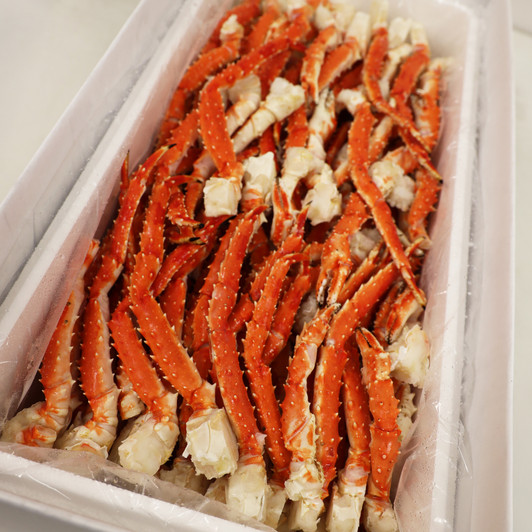
Live lobsters or crabs: Put in a ventilated paper bag on the refrigerator shelf. Cook as soon as possible.
Cooked shellfish: Refrigerate, covered, up to three days.
These methods of seafood preservation ensure fresh seafood is available at any time.
Freezing Seafood for Longer Life
Among the methods applied, freezing is one of the best ways of preserving seafood, since seafood needs to be kept for several weeks or months.
Freezing Steps
Pat all seafood dry.
Cover either with plastic wrap or aluminum foil.
Place in a freezer-safe bag; remove air.
Label with date before freezing.
This processing helps you store seafood for longer without losing its quality.
Freezing Timeline
Fish fillets: 6–8 months
Shellfish: 3–6 months
Cooked seafood: 2–3 months
Thawing Seafood Safely
In the Refrigerator
It’s safest in the refrigerator overnight, and slow thawing with seafood retains taste and texture.
Quick Thaw
Seal seafood in a bag then submerge in cold water; changing the water every 30 minutes. Never use hot water because this will ruin the texture.
Everyday Tips to Keep Seafood Fresh
Use it soon; best within 1–2 days.
Do not refreeze thawed seafood.
Dates for stock rotation should be placed on the packages.
All these small steps make it easy to store seafood safely at home.
Common Mistakes to Avoid
Leaving seafood at room temperature
Storing them in the fridge without sealing properly
Mixing seafood with ready-to-eat foods
Ignoring shelf-life recommendations
Avoiding these mistakes helps you store seafood like a pro.
Seafood for Sale – Countries We Ship To Include:
- United States
- United Kingdom
- Europe
- Canada
- Germany
- Italy
- UAE
- Saudi Arabia
- Singapore
- Japan
- South Africa
- Brazil
- Australia
- North America
- And many more….
Conclusion
Safe storage of seafood at home is not rocket science, and a few simple steps will keep fish, shellfish, and crustaceans fresh, full of flavor, and safe. Learn how to store seafood, and you’ll be reducing waste, saving money, and having meals just like those coming from your favorite seafood restaurant.
Spend a little time in proper storage, and your seafood will reward you with freshness and flavor every time you open either the refrigerator or freezer. With these tips, you can confidently store seafood at home and enjoy its quality for longer.