Seafood vs. Red Meat: The Ultimate Guide to Health, Sustainability & Global Delivery
Introduction
The question of seafood vs red meat far exceeds that of taste alone: it’s one of health and environmental impact, protein quality, and for those in pursuit of only the very best, global sourcing and delivery. Here, we put seafood vs red meathead-to-head on the basis of nutrition, health outcomes, sustainability, and logistics. And we will also show you how you can source the best seafood from around the world, delivered right to your door, so that you aren’t forced to settle for ordinary.
Be it the health-conscious consumer, the sustainability activist, or the foodie who wants good protein to be available to the world at large, this is a read worth your while.
What Do We Mean by Seafood Versus Red Meat?
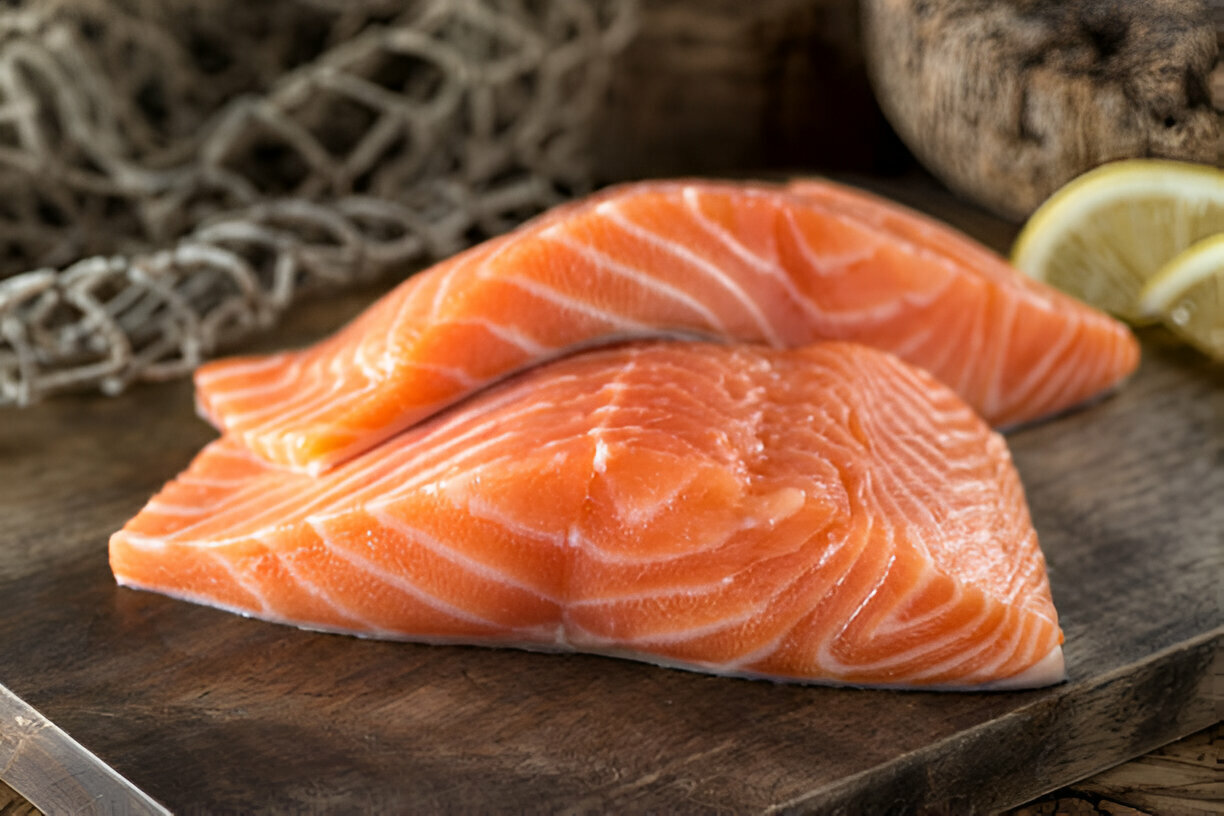
Examples of seafood would include oily fish such as salmon, mackerel, and sardines; white fish including cod and hake; and shellfish including shrimp, crab, mussels, and clams.
In most instances, red meat refers to the flesh of mammals and is often associated with beef, lamb, and pork. By nature, this type of meat contains a high content of myoglobin responsible for the red color.
We compare seafood vs red meat on the following grounds:
Nutritional differences: protein, fat, vitamins, and minerals
Health risk/benefit profiles
Environmental and sustainability issues
Supply chain and global delivery opportunities
That is an increasingly relevant comparison, considering how consumers from different continents seek a healthier alternative to protein consumed globally. Yes, our business is built on meeting that demand, providing world-class seafood to customers all around the world.
Nutrition: Seafood vs. Red Meat
Protein Quality
Both seafood and red meat contain complete, high-quality proteins. Data indicates that per 100g serving, red meat provides about 20-25g of protein; seafood too—salmon, tuna, and shrimp—provides roughly the same range.
But the moment you start comparing more than just protein, differences begin to emerge.
Fat Content & Type
One of the major differences in seafood vs red meat is fat quality.
Seafood in general contains less saturated fat and more of the healthy fats, including omega-3s.
In general, red meat has more saturated fat. Consumed in excess, this amount can be associated with less desirable lipid profiles.
One source, for example, has said that seafood is leaner in fat profile.
Vitamins & Minerals
Seafood has some nutrients that red meat either doesn’t or has in lower levels:
Vitamin D, iodine, selenium, and long-chain omega-3 fatty acids (EPA & DHA).
Red meat is an especially good source of highly bioavailable iron, zinc, and B vitamins, particularly B12.
So, when comparing seafood vs red meat for nutrient breadth, seafood often wins in some categories of micronutrients, but at the same time, red meat is extremely strong in others, notably iron and zinc.
Digestibility & Other Considerations
Another consideration is that, in general, seafood is easier to digest because it contains less connective tissue than many red meats.
Summary – Nutrition Winner?
Seafood stands out in nearly every comparison of diets: fewer saturated fats, more heart-friendly fats, rich in special nutrients. But red meat still has its place for iron, zinc, and some B vitamins. Perhaps the better approach is one of thoughtful substitution rather than all or nothing.
Health Impacts: What the Evidence Says
Red Meat Risks
High consumption of red meat, and especially processed red meat, has been associated with several health risks for which there is strong evidence:
High consumption of red meat greatly increases the risk of gastrointestinal cancers: esophageal, pancreatic, liver, colon, and rectal.
Studies indicate red meat consumption is significantly associated with total cancer incidence.
In the broader context of seafood vs red meat, replacing red meat with fish has been linked to potential mortality benefits.
Seafood Benefits & Lower Risks
On the other hand, seafood offers a number of health benefits:
For colon, rectal, and colorectal cancers, risks are lower among those consuming fish compared to high consumers of red meat.
Large cohort studies show fish intake is inversely associated with cardiovascular disease mortality among men and all-cause mortality among women.
Replacing red meat with forage fish such as herring, sardines, and anchovies could avoid up to 0.75 million deaths and avert millions of disability-adjusted life years by 2050.
Evidence shows that when comparing seafood vs red meat, seafood presents a much stronger favorable outcome for public health and longevity.
Context Matters
It is not a black-and-white “seafood always wins, red meat loses” situation.
Quality matters: lean versus fatty cuts, processed versus unprocessed.
Serving sizes allow moderation.
Sustainability and sourcing of seafood matter.
Individual health status, genetics, cooking methods, and overall diet all play roles.
Sustainability & Environmental Impact
Seafood vs. Red Meat: A Sustainability Comparison
In general, red meat livestock—mainly beef—tends to have higher greenhouse-gas emissions, land use, water use, and deforestation impact.
Small pelagic fishes and bivalves, such as mussels and oysters, have a lower climate impact per nutrient.
However, not all seafood is inherently sustainable. Overfishing, bycatch, and habitat damage are real concerns. Responsibly sourced seafood usually holds an environmental advantage when compared to red meat.
Selection of well-managed fisheries or certified suppliers becomes key when evaluating seafood vs red meat from an environmental standpoint.
Why Choose Premium Seafood Delivered Worldwide?
Global Reach & Delivery
Wherever you may be—in Europe, Asia, Africa, or the Americas—freshness and quality seafood are guaranteed.
Cold-chain logistics ensure freshness, safety, and quality from origin to packaging and shipment.
We source from certified fisheries and farms (MSC and ASC) for responsible supply.
Flexible formats include individually quick frozen, fillets, vacuum-packed, and ready-to-cook options.
Compared to locally sourced red meat, which is often limited in variety and carries a heavier environmental footprint, our model provides diversified access to premium seafood worldwide.
Health and Sustainability Combined
By choosing seafood over red meat more often, you gain all the health and sustainability advantages. You also enjoy global delivery of fresh seafood—a true win-win for better nutrition, better planet, and better access.
Practical Tips: How to Incorporate More Seafood & Limit Red Meat
1. High-Impact Substitutions
Instead of having red meat once or twice a week, try substituting it with seafood such as salmon, sardines, mackerel, or shrimp.
Incorporate seafood into familiar dishes like stir-fry, grilled fish instead of steak, or seafood salad.
2. Lean Cuts & Quality
If you consume red meat, choose lean cuts and avoid processed types.
For seafood, select those high in omega-3s and low in contaminants from sustainable fisheries.
3. Master Cooking Techniques
Bake, grill, or steam seafood to retain nutrients without adding fat.
Avoid charring red meat at high temperatures.
4. Certifications & Traceability Verification
When purchasing seafood globally, look for MSC or ASC certification and ask about origin and freshness.
5. Balance & Enjoyment
It’s not necessary to eliminate red meat entirely. Choosing seafood more often gives a meaningful health and sustainability boost. Variety remains essential.
Common Questions in the Seafood vs. Red Meat Debate
Is Seafood Better for Heart Health?
Yes, evidence shows higher seafood consumption is associated with lower cardiovascular mortality, while high red meat intake is linked to higher risks.
What About Iron Deficiency?
Red meat offers heme iron, but you can also find iron in seafood such as mussels and clams.
Is Seafood More Expensive or Less Accessible?
It depends. With global sourcing, great suppliers like us make seafood accessible worldwide—key in the seafood vs red meat market.
What About Mercury?
Choose low-mercury species like smaller fish or wild pelagics and vary your seafood choices.
Can I Still Eat Red Meat?
Of course—moderation, balance, and quality matter most. Complement red meat meals with more seafood-based dishes.
Our Product: Exquisite Seafood Delivered Globally
What Sets Us Apart
Global Delivery Network: Europe, Asia, Africa, and the Americas—we deliver everywhere.
Cold-Chain Assurance: Maintained from source to packaging for maximum freshness.
Traceability & Certification: Verified MSC and ASC fisheries.
Product Variety: Fillets, IQF, vacuum-packed, ready-to-cook formats.
Sustainability Focus: Lower footprint compared to red meat supply chains.
Health-Driven: We believe that, in the comparison of seafood vs red meat, seafood is the smarter and healthier choice.
Whether you’re in retail, catering, or direct consumer supply, our global system gives you access to the widest range of premium seafood available anywhere.
Putting It Together: Why You Should Move Toward Seafood
Health +: Better fat profiles, omega-3s, brain and heart benefits.
Sustainability +: Lower footprint and better resource use.
Global Access +: Premium seafood delivered worldwide.
Taste +: Diverse species, fresh global flavors.
Smart Protein Choice +: In the long-term view of seafood vs red meat, seafood stands out for most consumers and businesses.
Countries We Ship To Include:
- United States
- United Kingdom
- Europe
- Canada
- Germany
- Italy
- UAE
- Saudi Arabia
- Singapore
- Japan
- South Africa
- Brazil
- Australia
- North America
- And many more….
Final Thoughts
The comparison of seafood vs red meat is not just academic—it has real implications for your health, the planet, and global food supply. By choosing seafood as your regular protein intake and partnering with a global supplier that guarantees freshness and variety, you position yourself for better outcomes on all fronts.
Whether for health, sustainability, business, or enjoyment, if you’re ready to shift toward seafood-rich diets and reduce your reliance on red meat, we’ve got the logistics and sourcing covered.
Let us help you access the best seafood from around the world and enjoy better health and sustainability. After all, when it comes to seafood vs red meat, seafood truly deserves serious consideration.