
Your Complete Guide to Seafood Types – Buy & Ship Worldwide 🌍
The pride at [Your Company Name] comes from the fact that we provide exquisite seafood types to gastronomes all over the world, be it a restaurant in need of quality imports or just a house cook looking for something special. There is great variety in seafood types that are shipped to every part of the world with no compromise on freshness.
What You Will Learn in This Comprehensive Guide
What is meant by “seafood types”?
The major categories include fish, crustaceans, mollusks, cephalopods, echinoderms, and many others.
Why each type is special: flavor, texture, nutrition
Tips on how we handle, pack, and ship globally
How to Choose and Store Seafood for the Best Results
What Do We Mean by “Seafood Types”?
Nowadays “seafood” mainly means edible aquatic creatures excluding mammals—so this includes fish, shellfish (crustaceans and mollusks-cephalopods), and some sea-plants.
By “seafood types” we mean categories or groupings of seafood—and the many species in each category. Since we are a global supplier, carrying a broad portfolio of seafood types lets us meet many tastes, cuisines, and shipping needs.
Why Is This Important?
Different types have different textures, flavors, and cooking uses.
Some types are suited to particular methods of shipment and storage.
Knowing the seafood types will help you choose what you really want, wherever you are.
Major Categories of Seafood Types We Offer
Following are some major categories of seafood types, their features, and examples that will help while selecting them:
1. Fish
Special Features of Fish:
In demand all over the world, therefore ideal for export to any part of the globe.
Popular Fish We Supply:
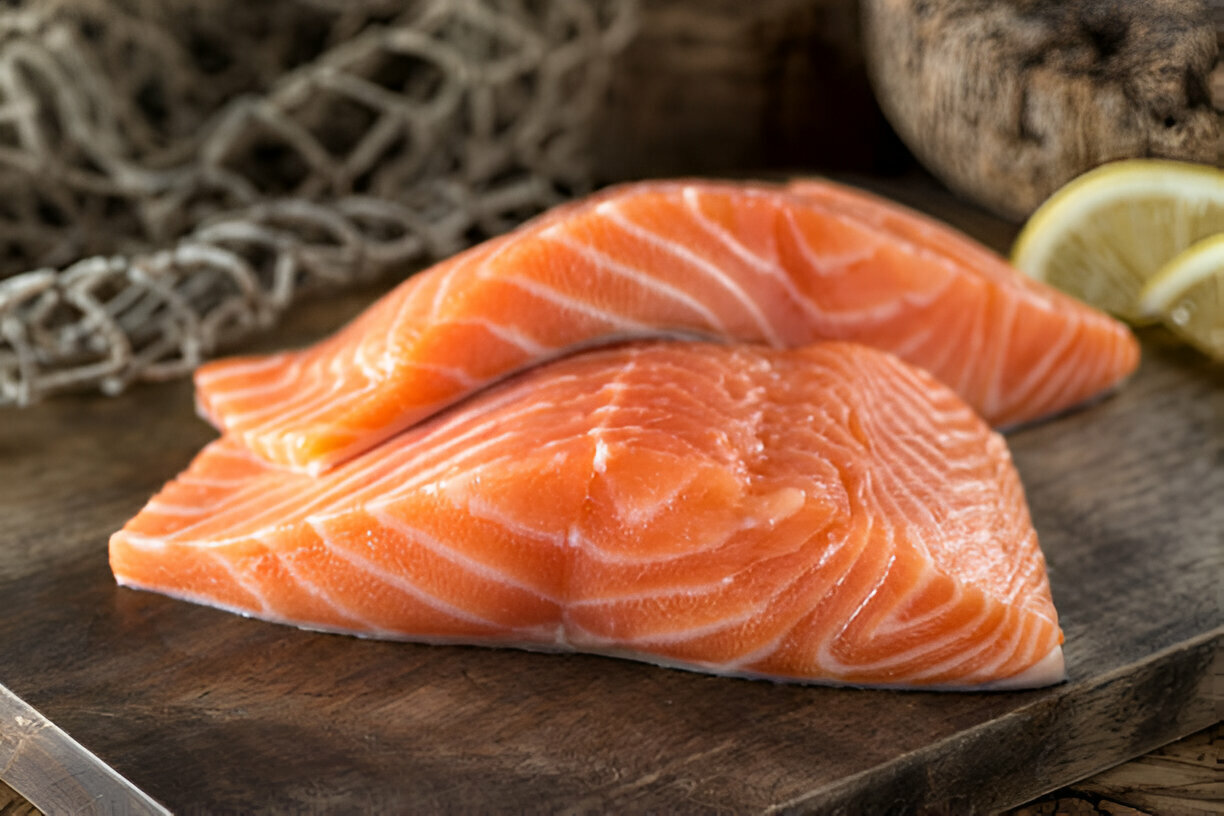
Salmon – flavorful and packed full of omega-3s
Cod/Haddock – classic white fish, great for many cuisines
Mackerel/Sardines – oily fish rich in nutrients
We source from trusted fisheries and farms. Proper cold-chain ensures freshness from the sea to your door.
2. Crustaceans
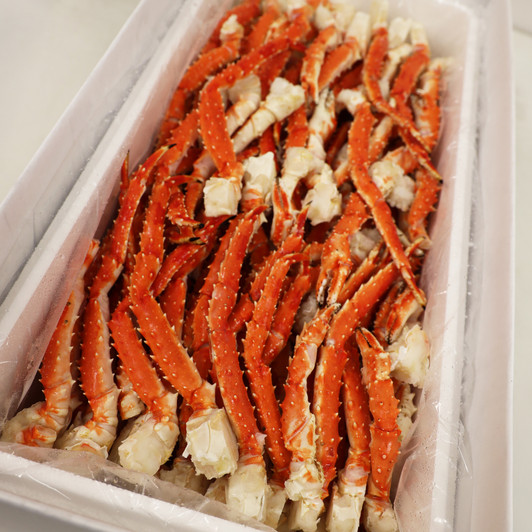
These are the “shellfish” with hard exoskeletons: shrimps/prawns, crabs, lobsters, crayfish.
Distinctive Features of Crustaceans:
Firm texture with natural sweetness—perfect for gourmet meals.
Shipping can be tricky (live or frozen), but we manage it flawlessly.
Some Crustaceans Available:
Shrimp/prawns: both peeled & deveined and whole
Lobsters: food for special occasions
Why Global Shipping Works for Crustaceans:
They preserve well when properly chilled or frozen.
Excellent performance under controlled air freight packaging.
Ideal for markets with limited local supply.
3. Mollusks
Mollusks include the bivalves (clams, mussels, oysters, scallops) and gastropods (some snails).
Features of Mollusks:
Varied textures like tender scallops and briny oysters.
Common in fine dining and high-class seafood platters.
Shelf life and handling require expertise—and that’s where we specialize.
Examples We Provide:
Scallops – for sautéing and gourmet dishes
Clams – for pasta, soups, and export markets
Because many regions lack local mollusk supplies, we export globally to hotels, resorts, and catering firms. Cold-chain and packaging are adapted for long-haul transport.
4. Cephalopods
Cephalopods include squid, cuttlefish, and octopus. Though less common in some markets, they’re highly prized worldwide.
What Makes Cephalopods Special:
Unique texture and flavor—favored in gourmet and ethnic cuisines.
Long shelf life when frozen, perfect for export.
An excellent way to diversify your seafood types offering.
Examples:
Squid – for frying or Mediterranean dishes
Octopus – premium option for grilling
Cuttlefish – rare but classy
They’re niche yet globally in demand. Selling such products gives you an edge. Our logistics team ensures freezing and packaging for safe transit.
5. Echinoderms & Other Specialty Seafood
This includes sea urchins, sea cucumbers, roe, seaweed, and other aquatic foods.
Why They Matter:
Though niche, they often command higher margins.
Examples We Provide:
Uni (sea urchin roe) – for upscale sushi and marine markets
Global Shipping Infrastructure
Most exports involve full documentation, cold-chain logistics, and packaging for air/sea freight. Our process ensures freshness and quality—even across continents.
From common fish to the most extravagant roe, our variety of seafood types enables you to serve many different markets. Whether you need bulk supply for a chain or small volumes for boutique retail, we have you covered.
We source from certified fisheries and farms following safety and sustainability standards. Labeling, packaging, and documentation comply with export/import laws.
Competitive Pricing & Efficient Supply
Operating globally allows us to optimize sourcing and logistics for better value.
Bulk volumes let us reduce costs and pass savings to you.
We also handle smaller consignments—no need for massive inventory investments.
Specialist Logistics and Handling
The seafood industry requires precision. We have experience in filleting, freezing, packaging, shipping, and customs handling across Africa, Europe, the Americas, and Asia.
Dedicated Customer Support
We understand that international clients have special requirements—packaging, labeling, customs paperwork, and shelf life. Our team customizes shipments to suit your market.
How to Choose the Right Type of Seafood for Your Needs
1. Menu or Product Focus
Salmon, cod, tilapia (where applicable), and shrimp/prawns for mainstream consumption.
2. Shelf Life and Logistics
Fresh whole fish and live crabs require fast cold-chain delivery.
Specialty items like sea urchin and roe need strict temperature packaging.
3. Flavor and Texture
Lean white fish (cod, haddock) are mild and versatile.
Oily fish (salmon, mackerel) have rich, bold flavors.
Crustaceans and mollusks deliver enhanced texture and depth.
4. Market Demand & Price Point
Assess your target market—what seafood types are in demand but hard to find?
Specialty items yield higher margins but need the right customer base.
Common fish maintain steady, high-volume demand.
5. Sustainability & Transparency
Buyers increasingly expect traceability and responsibly sourced seafood.
Our Process: From Sea to Your Shipping Door
Sourcing & Harvesting
Health monitoring, catch methods, and species identification.
Processing & Packaging
Filleting, shelling, deveining, and trimming as required.
Rapid chilling or freezing to preserve freshness.
Packaging: vacuum-sealed, insulated boxes, dry ice or gel packs.
Quality Control & Documentation
Ensuring correct species, weight, and origin.
Delivery & Aftercare
Guidance on storage, handling, and use.
Frequently Asked Questions (FAQ)
Q: Do you ship worldwide?
A: Yes, we ship internationally and have customers in many countries.
Q: What seafood is available?
A: We provide a complete range of seafood types including fish (salmon, tuna, cod), crustaceans (shrimp, crab, lobster), mollusks (scallops, oysters, mussels), cephalopods (squid, octopus), and specialty seafood (roe, sea urchin, sea cucumber).
Q: How fresh will my seafood be when I get it?
A: We ensure all logistics are fast and temperature-controlled—frozen items arrive solid, fresh items perfectly chilled.
Q: How do I store seafood after delivery?
A: Refrigerate or freeze immediately according to the product. Follow our handling guidelines for each type.
Q: Do you accept custom orders?
A: Of course—we accommodate specific packaging, fillet sizes, or rare species requests.
Why Diversify Your Offering with Multiple Seafood Types
Diversifying seafood types helps businesses in many ways:
Independence from supply issues of one species.
Balance premium and everyday items.
Encourage culinary creativity across cuisines.
Strengthen export resilience through varied global demand.
Seafood Types: Nutritional and Culinary Value
Seafood is both delicious and nutritious, loved across the world.
Most seafood types are rich in high-quality protein and leaner than red meat.
Oily fish like salmon and mackerel supply valuable omega-3 fatty acids.
Crustaceans and mollusks offer essential minerals such as zinc and selenium.
From a culinary angle, seafood types open up Mediterranean, Asian, Latin, and fusion flavors.
Cooking Tips:
Fish: Grill or pan-sear fillets—lean fish need light sauces.
Crustaceans: Steam or grill for natural sweetness.
Mollusks: Lightly sear scallops, grill oysters, steam mussels.
Why Buying from a Global Seafood Supplier Matters
Access to worldwide species—many seafood types aren’t available locally.
Economies of scale bring better pricing and reliable supply.
Expert handling of import/export logistics.
Guaranteed quality assurance from harvest to delivery.
Top Seafood Types You Should Try Today
Shrimp and prawns – high-demand crustaceans for any market.
Sea urchin roe – niche luxury with great profit margins.
Mussels & clams – steady sellers with reliable demand.
With a balanced mix of everyday and premium seafood types, you’re positioned for both volume and profitability.
Countries We Ship To Include:
- United States
- United Kingdom
- Europe
- Canada
- Germany
- Italy
- UAE
- Saudi Arabia
- Singapore
- Japan
- South Africa
- Brazil
- Australia
- North America
- And many more….
Conclusion: Diversify Your Seafood Product Line and Market Reach
In global seafood trade, choosing the right seafood types means focusing on quality, variety, reliability, and worldwide accessibility.
At [Your Company Name], we ensure every business and food lover around the world can access top-tier seafood types—fresh, flavorful, and shipped globally.
Whether you’re browsing our catalog, requesting quotes, or planning international deliveries, we’re ready to help. Let us bring the best seafood types in the world right to your doorstep.