Understanding the Seafood Supply from Ocean to Worldwide Delivery
Seafood was never just a food item; it’s a link that connects nature to culture and commerce. Behind each succulent shrimp, an overflowing juicy lobster tail, or a salmon fillet cut to perfection lies an elaborate network of harvesting, processing, quality control, and logistics. This forms a complex but fascinating path—what constitutes the seafood supply process—and to understand this is to appreciate the work that goes into delivering fresh seafood onto your plate no matter which part of the world you are in.
This guide details everything in the value chain for the seafood supply process, explaining how freshness and sustainability are maintained. It further sheds light on the effort that this company invests in assuring high-quality seafood reaches customers across the globe.
What is the Seafood Supply Process?
The seafood supply process describes the journey of seafood from catching or farming through cleaning, processing, packaging, shipping, and serving. Coordinating these efforts involves the whole food chain: from fishermen and aquaculture farms to processors, transporters, exporters, importers, and retailers.
Major Phases in the Seafood Supply Process
Fishing – Wild catch or aquaculture
Handling and processing
Quality and safety control
Packaging and preservation
Cold-chain logistics and global shipping
Distribution and delivery to the end users
Each step is crucial in assuring seafood is safe, sustainable, and full of flavor.
Stage 1: Harvesting — Where It All Starts
Wild-Caught Seafood
Wild-caught seafood involves harvesting from oceans, rivers, and lakes across the world through longlines, trawlers, traps, and nets. Targeted species include tuna, cod, crab, shrimp, lobster, among others. Sustainable fishing ensures marine ecosystems remain protected.
All our wild-caught fishes and shellfish come from licensed, sustainable fishing fleets in the United States, Canada, Norway, and Southeast Asia that meet international standards such as MSC certification.
Aquaculture (Farm-Raised) Seafood
Aquaculture, or fish farming, now provides more than half of the seafood consumed globally. Popular farmed species include salmon, tilapia, shrimp, and oysters. Our aquaculture partners monitor water quality, feed, and environmental impact.
We source directly from certified aquaculture facilities, ensuring consistent products while reducing pressure on wild fish populations. Sustainability and traceability are central to our seafood supply process.
Stage 2: Handling and Initial Processing
Chilling Immediately
Freshness begins the moment seafood leaves water. Most products are chilled or flash-frozen on board vessels immediately to prevent bacterial growth. This step is critical in the seafood supply process.
Primary Processing
Primary processing involves cleaning, gutting, filleting, or de-shelling seafood. Crustaceans may be cooked or blanched prior to freezing. Fish are trimmed into loins, steaks, or fillets in buyer-acceptable formats worldwide.
Processing occurs as close to catch locations as possible to maintain the “just-caught” flavor our customers expect.
Stage 3: Quality and Safety Control
Food safety is at the heart of our seafood supply process. Every lot undergoes rigorous checks from temperature monitoring to microbial testing.
Well-Structured Inspections
Sensory checks: color, texture, odor
Microbiological testing for harmful bacteria
Chemical testing for heavy metals, histamine, antibiotics
Temperature monitoring with digital sensors
Compliance & Certification
We follow international standards, including:
HACCP: Hazard Analysis Critical Control Point
FDA and EU seafood regulations
ISO 22000 food safety systems
Sustainability certifications: MSC, ASC
Full-time quality control specialists ensure only top-grade seafood goes into export packing.
Stage 4: Packaging and Preservation
After inspection, seafood is packed and preserved in special facilities to maintain safety and freshness during global transit.
Packaging Innovations
Vacuum-sealing preserves moisture and flavor
Modified atmosphere packaging extends shelf life
Eco-friendly cartons reduce waste
IQF (Individually Quick Frozen) portions for convenience
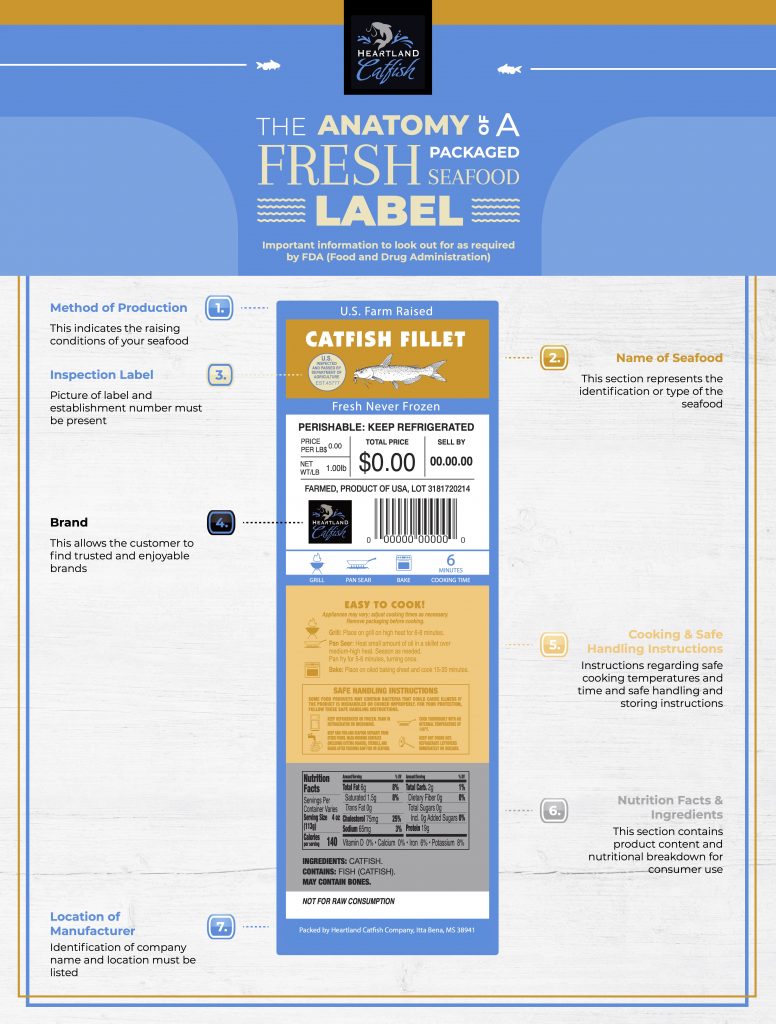
Labelling and Traceability
Each package includes origin, species, harvest date, and batch number labels. Full transparency is key to the seafood supply process.
Stage 5: Cold Chain Logistics — The Key to Global Freshness
Cold-chain management is critical; seafood spoils quickly without proper temperature control.
What is the Cold Chain?
A cold chain is a series of refrigerated storage and transport links keeping seafood at the correct temperature from harvest to delivery:
Fresh chilled seafood: 0 °C to +2 °C
Frozen seafood: -18 °C or lower
IoT sensors track temperature, humidity, and location in real time.
Global Shipping Network
With hubs in North America, Europe, the Middle East, and Asia, we deliver to over 60 countries worldwide. From lobster tails to Tokyo to salmon to Paris, our network ensures seafood tastes as fresh as the day it was caught.
Stage 6: Distribution, Retail, and End Customers
Products are reinspected at regional distribution centers before shipment to retailers or consumers.
We serve:
Restaurants and hotels
Wholesale distributors
E-commerce buyers
Through B2B and B2C channels, our seafood supply process guarantees freshness, value, and reliability worldwide.
Quality and Freshness During International Transportation
Smart Tracking
Digital trackers monitor temperature and location in real time for transparency.
Rapid Transit
We collaborate with air and ocean freight carriers specializing in perishable goods, ensuring minimal transit time.
Local Warehouses
Cold storage hubs in Boston, Rotterdam, Singapore, and Dubai allow last-mile delivery of chilled seafood.
Why Sustainability Matters in the Seafood Supply Process
Sustainability ensures seafood availability for the future while protecting oceans.
Sustainable Fishing
We source from seasonal, low-bycatch vessels using eco-friendly gear.
Green Packaging
Biodegradable and recyclable packaging is used throughout the supply chain.
Responsible Aquaculture
Our partners monitor water quality and use environmentally safe feed.
Supporting Local Communities
Direct sourcing from small fishing communities ensures fair trade and supports local economies.
Challenges in the Seafood Supply Chain — And How We Solve Them
Temperature fluctuations → real-time monitoring
Customs delays → preclearance and compliant documentation
Product mislabeling → DNA traceability systems
Overfishing → sourcing from certified fisheries
High fuel/transport costs → route optimization
How Our Global Customers Benefit
Guaranteed freshness via temperature-controlled logistics
Sustainable sourcing from verified fisheries
Flexible order sizes
Transparent pricing
24/7 customer support
The Role of Technology in Modern Seafood Logistics
Digital Traceability
Blockchain and QR codes track fish from ocean to plate.
Automation & Robotics
Automated filleting, portioning, and packaging reduce errors.
Data-Driven Forecasting
AI analytics optimize inventory and reduce wastage.
Case Study: From the Atlantic to Asia
10 tons of North Atlantic cod ordered by a Singapore restaurant were caught, processed, inspected, and shipped in just five days, maintaining perfect freshness.
Our Promise: Quality, Traceability, and Global Reach
Quality: Never compromising freshness or taste
Traceability: Complete visibility from origin to destination
Global Reach: Serving six continents
Customer Delight: Personal care for every order
How to Order Seafood from Us — Worldwide
Browse our catalog for various seafood
Select the destination country
Choose fresh-chilled or frozen delivery
Checkout securely
Track shipment in real time
Our seafood supply process ensures your order arrives fresh from source to doorstep.
The Future of the Seafood Industry
Offshore aquaculture
Renewable energy in cold storage
AI-powered sustainability tracking
Biodegradable packaging
Carbon-neutral shipping
We invest in sustainable seafood supply with worldwide delivery.
Bringing It All Together
The seafood supply chain—from ocean catch to global delivery—is a blend of nature, technology, and logistics. Our integrated system connects fishermen, processors, transporters, and customers, delivering world-class seafood anywhere.
Countries We Ship To Include:
- United States
- United Kingdom
- Europe
- Canada
- Germany
- Italy
- UAE
- Saudi Arabia
- Singapore
- Japan
- South Africa
- Brazil
- Australia
- North America
- And many more….
Closing Thoughts
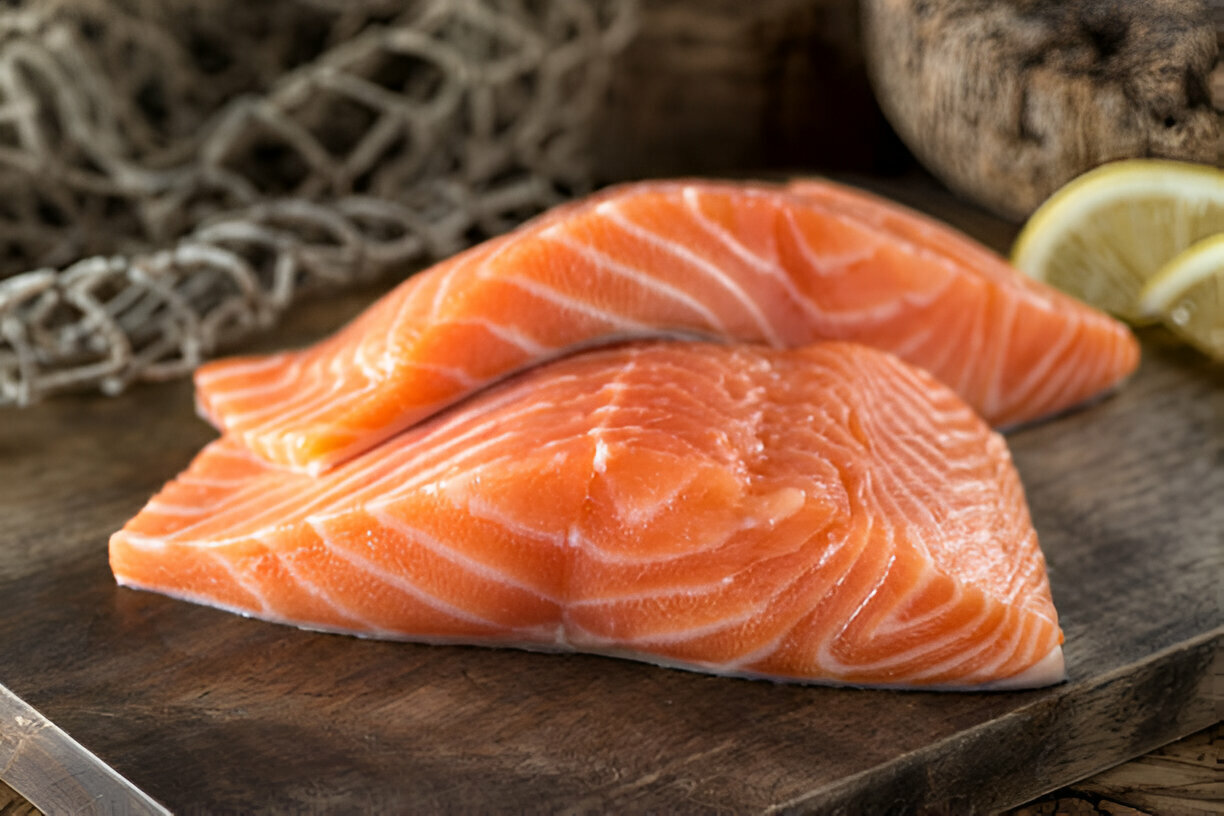
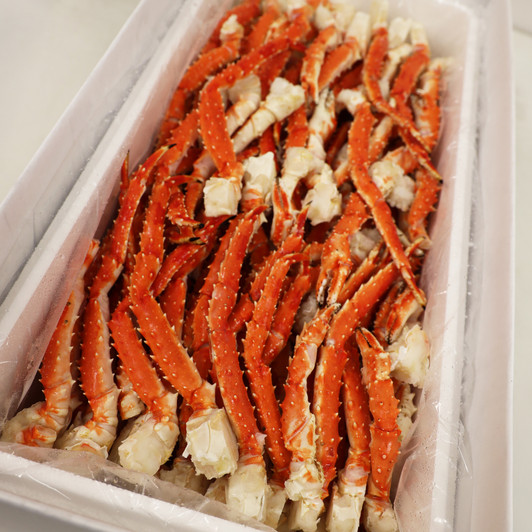
Next time you enjoy salmon, lobster, or shrimp, remember it traveled across oceans and industries through a precise seafood supply process we proudly lead every day.