
Organic Seafood: The Complete Guide to Health, Sustainability, and Worldwide Access
Introduction to Organic Seafood
Organic seafood has ranked among the most searched terms related to food items on the Internet globally over the last couple of years. The buyers, in fact, have turned out to be more aware, choosy, and conscious about the manner in which their seafood is sourced and where it is sourced. With the increase in the number of concerns about sustainability, pollution, aquaculture practices, and the environmental impact of commercial fishing, people head towards organic seafood as a cleaner, safer alternative that is more ethical to put into their diet.
As an international supplier, we aim to supply responsibly sourced organic seafood to each of our valued customers on all continents, no matter where you are. Be it a restaurant, a retailer, a distributor, or even a house buyer looking for healthier options and more viable protein alternatives, we at Organic Seafood have an integrated global delivery network whereby we can bring the best organic seafood right to your doorsteps.
The following in-depth guide to organic seafood will explain everything one might want to know: what it is, why it is important, how it is certified, health benefits associated with it, environmental benefits, and how we ship it worldwide with freshness guaranteed.
What is Organic Seafood?
Definition and Standards
Organic farming and organic aquaculture are based on natural processes and do not harm the environment and are strictly controlled with the production of high-quality food products. What about seafood?
Organic seafood includes those fish and shellfish that are raised or harvested in methods that fulfill the certified organic standards, which somewhat differ by region, such as the EU, the U.S., and others, yet still share common principles:
Key Characteristics of Organic Seafood
1. Clean, Controlled Environments
Organic farmed fish must be grown in an ecosystem devoid of toxic chemicals, synthetic pesticides, antibiotics, and artificial hormones.
2. Organic Feed Only
Any feed given should be 100% organic, containing no genetically modified ingredients, no artificial additives, and no synthetic preservatives.
3. No Antibiotics or Growth Hormones
Organic aquaculture prohibits routine usage of antibiotics, chemicals, and growth accelerants that are usually employed in intensive aquaculture.
4. Lower Stocking Density
Organic farms do not put too many fish in their enclosure to avoid incidence of stress, disease, and environmental degradation.
5. Sustainability-Oriented
Organic farms support environmental balance.
6. Traceability and Certification
All organic seafood is traced from hatchery to harvest, and all must be certified by a recognized organic certifying body.
Why Organic Seafood Matters More Today Than Ever
Today, consumers look for options that are healthier and safer, with a responsible attitude toward the environment. Organic seafood not only meets all those expectations but also offers a positive contribution to the future of global fisheries.
Following are some of the major reasons why organic seafood is fast becoming a sought-after option.
Health Benefits of Organic Seafood
1. Higher Nutritional Value
When you buy organic seafood, you get a product free of contaminants or artificial additives. It may contain:
more omega-3 fatty acids
higher levels of vital nutrients
fewer inflammatory agents
This is due to clean, high-quality organic feed and low-stress farming environments.
2. No Antibiotics or Harmful Chemicals
Regular seafood may contain residues of:
antibiotics
antifouling chemicals
Organic seafood is strictly guarded from these substances.
3. Less Chance of Adulteration
Organic settings are highly controlled in order to avoid the presence of pollutants, pesticides, and toxins common in aquaculture.
4. Better Fat Composition
Natural water circulation and optimized diets mean organic fish develop healthier fats and firmer textures, important to chefs and health-conscious consumers alike.
Environmental Benefits of Organic Seafood
1. Marine Ecosystem Protection
Organic seafood practices focus on:
pollution reduction
environmentally friendly feed
ecosystem balance
2. No Harmful Chemicals Released
Organic farming avoids:
synthetic pesticides
fungicides
antibiotics
3. Responsible Wild Fisheries
Wild organic-certified seafood must meet:
strict catch limits
eco-sensitive harvest techniques
biodiversity preservation
4. Helping Curb Overfishing
Organic farms meet global seafood demand without damaging wild fish stocks.
Is Organic Seafood the Same as Sustainable Seafood?
Many people think that sustainability equates to organic certification. While related, they are not one and the same.
Organic Seafood
Follows strict certification rules
Requires organic feed
Requires chemical-free farming environments
Emphasizes purity
Sustainable Seafood
Focuses on ecosystem health
Includes wild-caught fisheries
Does not always use organic feed
Ensures biodiversity
Organic seafood is sustainable, but not all sustainable seafood is organic.
How Organic Seafood Is Certified
Major Organic Certifying Bodies
USDA Organic
EU Organic
Soil Association (UK)
Naturland (Germany)
Bio Suisse (Switzerland)
Certification Requirements
Full traceability
Farm and facility inspections
Feed verification
Water quality testing
Welfare checks
Annual audits
These ensure purchases labeled as organic seafood are genuine.
Why We Ship Organic Seafood Worldwide
Organic seafood certification in several regions cannot be obtained due to:
low local supply
limited import options
high production costs
Being among the global seafood suppliers, we bridge this gap by shipping high-quality organic seafood to Africa, Europe, Asia, North America, South America, and Oceania.
International Delivery Includes
Cold-chain shipping
Vacuum-sealed organic packaging
Customs support
Our Organic Seafood Range
Organic Fish
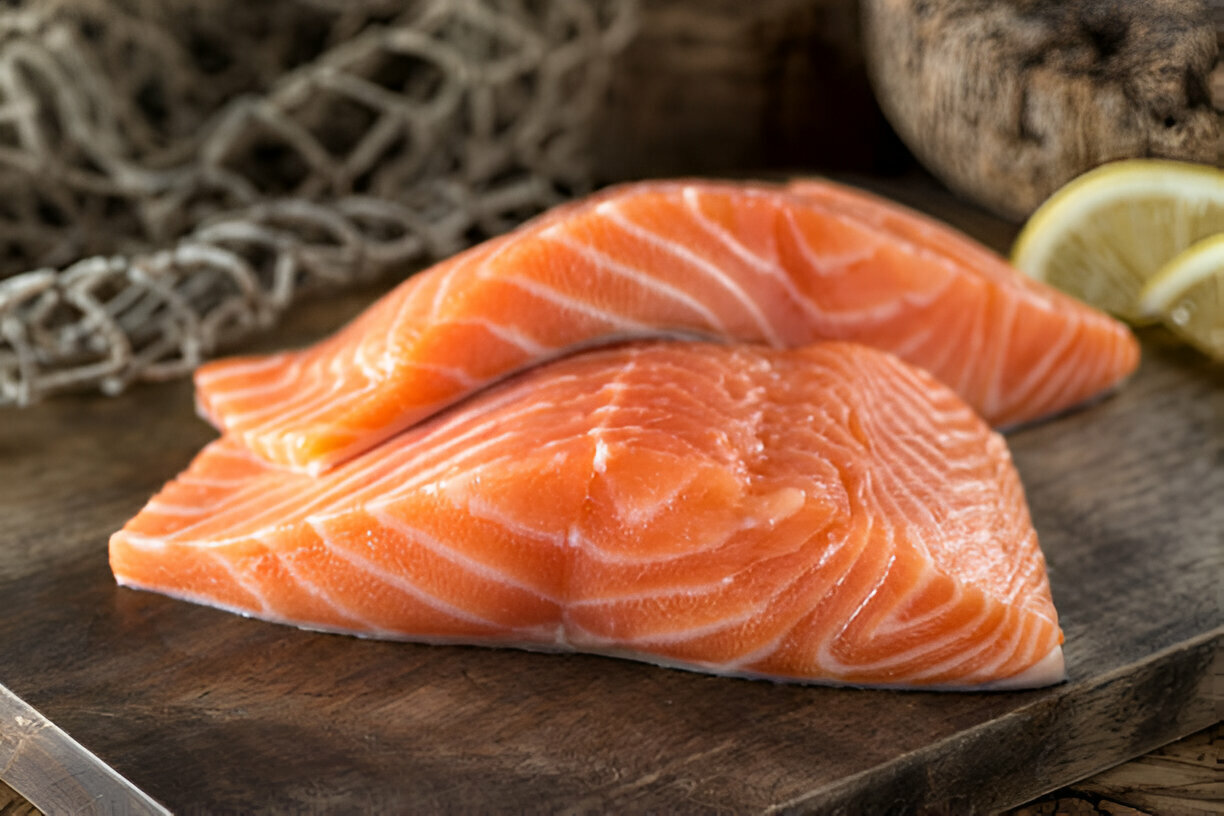
Organic salmon
Organic trout
Organic seabass
Organic tilapia
Organic catfish
Organic carp
Organic Shellfish
Organic shrimp
Organic prawns
Organic mussels
Organic clams
Organic Value-Added Products
Organic fish fillets
Organic smoked fish
Organic marinated fish
Organic canned seafood
How We Maintain Freshness During International Transport
1. Frozen-at-Sea or Fresh-Chilled Systems
Depending on the product and customer preference.
2. Temperature-Controlled Packaging
Includes insulated boxes, gel packs, and dry ice.
3. 24/7 Cold Chain Monitoring
Ensures products never break temperature integrity.
4. Fast Air and Sea Freight Logistics
We partner with trusted carriers.
5. Certified Organic Packaging
Safe, chemical-free, eco-friendly materials.
How to Ensure Seafood is Really Organic
1. Certification Logos
Look for USDA Organic, EU Organic, etc.
2. Traceability Information
All products include:
batch number
fishery name
certification number
harvest date
processing date
3. Packaging Integrity
Proper labeling and sealing is required.
4. Documentation
Every shipment is documented to confirm authenticity.
Why Customers Like Organic Seafood
Superior Taste & Quality
Organic seafood is:
firmer
cleaner tasting
richer in natural flavor
Health Consciousness
People avoid antibiotics and chemicals by choosing organic seafood.
Ethical Purchasing
Organic products support responsible farming.
Confidence in Food Safety
Traceability reduces risks.
Common Myths About Organic Seafood
Myth 1: Organic seafood only comes from farms
Wild fisheries can be certified if they meet standards.
Myth 2: Organic seafood is always more expensive
Higher production costs exist, but global shipping improves affordability.
Myth 3: Organic means chemical-free
Natural treatments are allowed; synthetic chemicals are banned.
Myth 4: Organic seafood is hard to find
Worldwide delivery solves this.
How to Incorporate Organic Seafood into Your Diet
1. Weekly Meal Planning
Include seafood 2–3 times weekly.
2. Mix Species
Try:
salmon
shrimp
trout
3. Healthy Cooking
Grill, bake, steam, or pan-sear.
4. Use Proper Storage
Vacuum-sealed packaging increases shelf life.
5. Explore Global Flavors
Organic seafood suits:
Mediterranean
Asian
Nordic
African dishes
What You Get When You Order from Us
1. Certified Organic Products Only
Sourced from verified farms worldwide.
2. Worldwide Shipping
Fast, cold-chain delivery.
3. Full Traceability
Complete certification documentation.
4. Freshness Guarantee
Cold-chain protection for premium quality.
5. Competitive Pricing
Wholesale, bulk, and retail options.
6. Eco-Friendly Commitment
Sustainable sourcing for future generations.
Organic Seafood: A Healthier, More Sustainable Choice for the Future
Organic seafood is much more than a food choice; it’s about better health, less pollution, and a better food system worldwide. Whether you are a home cook, distributor, restaurant owner, or retailer, you deserve clean, certified organic seafood—with no compromises.
That is why we proudly ship organic seafood to any place in the world, making sure responsible, high-quality protein is accessible to all.
Countries We Ship To Include:
- United States
- United Kingdom
- Europe
- Canada
- Germany
- Italy
- UAE
- Saudi Arabia
- Singapore
- Japan
- South Africa
- Brazil
- Australia
- North America
- And many more….
Place your order for certified organic seafood with us today and have global quality delivered right at your doorstep.