
Mercury in Fish: Understanding the Facts and Enjoying Seafood Safely Worldwide
The problem that most of those who eat fish and seafood find recurring, though, is the issue dealing with mercury in fish. You might have heard there is mercury in fish, but what does that mean, really? Is it dangerous? Should you stop consuming fish altogether?
Reality is much more balanced. Fish is still one of the healthiest foods in the world, and knowing your facts about mercury in fish empowers you to make smart, safe, and healthy choices. Thanks to modern logistics and responsible sourcing, we make it easy for anyone, anywhere in the world, to enjoy premium low-mercury seafood shipped right to their door.
Understanding How Mercury in Fish Happens
Once mercury enters the water it is reduced to a toxic form called methylmercury. This is ingested by small aquatic organisms. As smaller fish are eaten by larger fish, mercury concentrations biomagnify up the food chain. Large, long-lived predator fish generally exhibit the highest concentrations.
Natural Occurrence of Mercury in Fish
It is important to note that mercury is not “added” into the fish through some sort of artificial method. It is a naturally occurring substance, with even the cleanest of oceans having traces of it within them. It’s simply a matter of how much builds up over time.
Fortunately, most species of fish—at least those that are small and grow fast—contain minimum levels of such pollutants. Responsible buying and choosing carefully will permit consumers to enjoy seafood in a nutrient-rich balance.
Moderation is key, and the selection of fish with low levels of mercury, supplied by reliable suppliers like ourselves who make sure every product meets international standards concerning food safety.
How Mercury in Fish Affects Human Health
1. Healthy Nervous System and Brain
Contrary to fears, studies indicate that such fish, even though they may have traces of mercury, eaten in moderation, reduce the chances of heart disease. The protective anti-inflammatory effects of omega-3 fatty acids within the fish outweigh the possible negatives associated with low levels of mercury.
Problems arise only when big, high-mercury fish are consumed daily for a long time—which is rare and easily prevented by making smart seafood choices.
2. The Quality Protein for Repair and Growth
You are consuming one of the cleanest, healthiest foods out there when you consume responsibly-sourced, low-mercury fish. When you choose from trusted suppliers who monitor mercury in fish levels carefully, you get maximum nutrition with minimal risk.
In fact, WHO, the U.S. FDA, as well as all other food safety authorities, have reached a consensus that adults can safely consume 2–3 servings of fish per week, including those species that contain trace amounts of mercury.
Types of Fish by Mercury Levels
What follows is a breakdown of common fish, categorized into their mercury levels, to help you make informed choices about mercury in fish:
Low-Mercury Fish (OK to Eat Frequently)
Anchovies
Trout
Herring
Monkfish
Carp
Tilefish
Moderate-Mercury Fish (Eat Occasionally)
Halibut
Snapper
Tuna (light)
Mahi-mahi
High-Mercury Fish (Limit or Avoid)
Shark
Swordfish
King mackerel
Tilefish (from Gulf of Mexico)
These distinctions help consumers enjoy the incredible nutrition of seafood while keeping mercury in fish consumption at safe levels.
Sustainable Sourcing and Mercury in Fish Safety
We ensure that every fish we deliver worldwide is responsibly caught or farmed in clean, regulated waters. Our sustainable sourcing helps control mercury in fish and ensures consistent quality and safety. Every order includes traceability details—species, origin, and best-use guidelines—so you always know what you’re eating and where it comes from.
Best Cooking Methods for Low-Mercury Fish
Preserving Nutrition While Controlling Mercury in Fish
The best ways of cooking for retaining omega-3s include grilling, baking, and steaming. These methods enhance taste and texture while preserving nutrients. Avoid deep-frying, which can add unhealthy fats and mask the natural flavors of fish.
Cooking Ideas for Your Weekly Plan
Yes! Children can indeed receive enormous benefits from the nutrients in fish if consumption is within low-mercury species and appropriate portions.
Try incorporating the following low-mercury recipes into your meal plan:
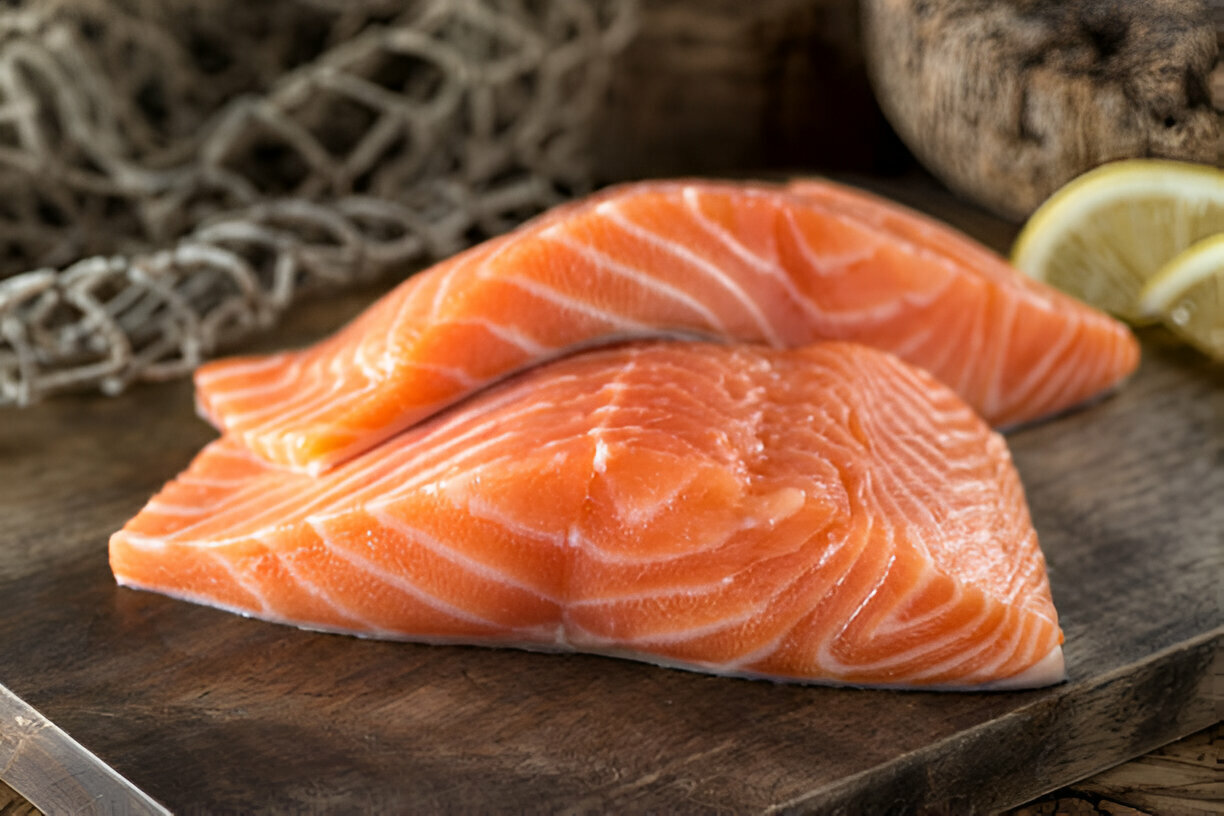
Monday: Baked salmon with lemon and broccoli
Wednesday: Grilled trout with garlic butter
Friday: Herring with potatoes and dill
These simple dishes are nutritious, quick, and safe for the whole family, ensuring you enjoy all the goodness of seafood without excess mercury in fish.
Global Access to Safe, Low-Mercury Seafood
Thanks to our advanced cold-chain logistics, you can order responsibly sourced seafood from anywhere in the world. Whether you’re in London, Lagos, Sydney, or São Paulo, our worldwide seafood delivery ensures premium, safe, and sustainable products arrive right at your doorstep.
Our mission is to make healthy seafood accessible globally—so no matter where you live, you can enjoy nutritious meals while keeping mercury in fish exposure to a minimum.
Seafood for Sale – Countries We Ship To Include:
- United States
- United Kingdom
- Europe
- Canada
- Germany
- Italy
- UAE
- Saudi Arabia
- Singapore
- Japan
- South Africa
- Brazil
- Australia
- North America
- And many more….
Conclusion: Smart Choices Mean Safe, Healthy Seafood
The truth about mercury in fish is simple: it’s a natural element present in trace amounts in many fish species, but it doesn’t mean you should stop eating seafood. Moderation, informed choices, and responsible sourcing are what matter most.
By choosing low-mercury species, grilling or baking them properly, and buying from trusted global suppliers like us, you can enjoy seafood’s rich nutrients safely.
We make it easy for everyone—no matter where in the world—to get safe, premium, and delicious seafood delivered straight to their kitchen. Eat smart, stay healthy, and let every bite bring the benefits of the sea without the risks of mercury in fish.