
How To Check Seafood Freshness: How to Get the Finest Seafood Anywhere in the World
Seafood is probably one of the most tender and delicious foods there is; the quality of the seafood may deteriorate quite fast if it is not treated well. Learning how to check seafood freshness—whether you are a professional chef, home cook, or even wholesale buyer—is one of the keys to a meal that’s safe, delicious, and healthy.
Now, let’s dive into the science of freshness; thereafter, we will discuss some useful, hands-on, how-to tips and explanations to check seafood for freshness. We will also explain the worldwide seafood delivery process involved with us, so that you have the best seafood products brought right to your doorstep, no matter where you live.
Checking the Freshness of Seafoods: Why?
Seafood is a very perishable commodity. Poor handling and storage, besides long transit times, will quickly affect the taste, texture, and safety of the product.
Here’s why checking seafood freshness is really important:
Safety
Fresh seafood reduces the risk of illness due to bacteria or parasites.
Flavor
Freshness is directly related to flavor; the fresher the seafood, the brighter the flavors.
Nutritional Value
Fresh fish and shellfish have more protein, omega-3s, and vitamins compared to spoiled or poorly handled products.
Global Shipping Guarantee
Buy online, understand freshness indicators, and get premium quality delivered to any place on earth.
Being aware of how to check seafood freshness will make you confident in choosing products to meet your standards.
How to Check Seafood Freshness: Key Indicators
1. Appearance
When it comes to seafood freshness, appearance is always the first thing observed.
For Fish:
Clear, bright eyes show freshness, whereas cloudy or sunken eyes indicate an older fish.
Shiny, metallic skin and bright colors show good handling.
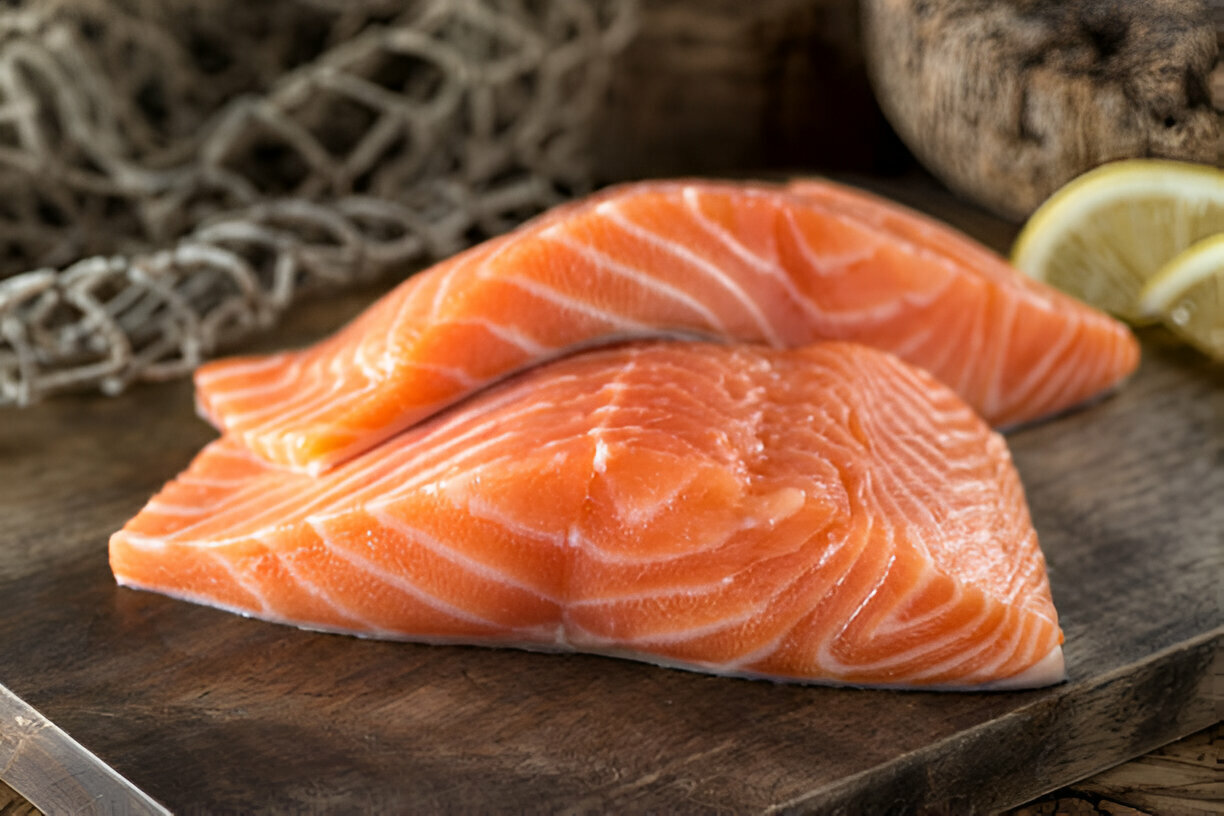
Firm, elastic flesh which springs back when pressed confirms freshness.
For Shellfish:
Shells should be tightly closed; open shells may indicate death or spoilage.
Clams, mussels, and oysters should be bought in moist, unbroken shells.
If lobsters and crabs are live, they should appear healthy and active.
2. Odor
Fresh seafood should smell mild, and slightly of the ocean.
What to Avoid:
Strong “fishy” or ammonia-like odors are warning signs of spoilage.
Generally, shellfish should have a briny smell. If it smells foul or sour, then it is bad seafood.
Our global seafood delivery system minimizes transit times while ensuring proper cold-chain packaging to preserve natural aromas for freshness.
3. Texture
Another good indicator is texture.
For Fish:
This should be firm, springy and slightly resilient.
Mushy, soft, or slimy suggests poor handling or aging.
For Shellfish:
Clams and mussels should feel heavy, and closed.
Shrimp and prawns should be firm and not floppy.
4. Gills and Scales
Whole fish would be inspected for the presence of good gills and scales:
Gills should be bright red or pink, not brown or gray.
Scales should be attached closely to the skin. Loosely or dully set scales denote an older fish.
These simple checks will let you confidently decide on only high-quality seafood, whether ordering online or in person.
How to Check Freshness in Various Types of Seafood
Fresh Fish
Whole Fish: Eyes should be bright, flesh firm and gills red.
Fillets: Flesh moist, firm; no discoloration, or dry edges.
Shellfish
Clams, Oysters, Mussels: closed shells, briny smell, and heavy feel.
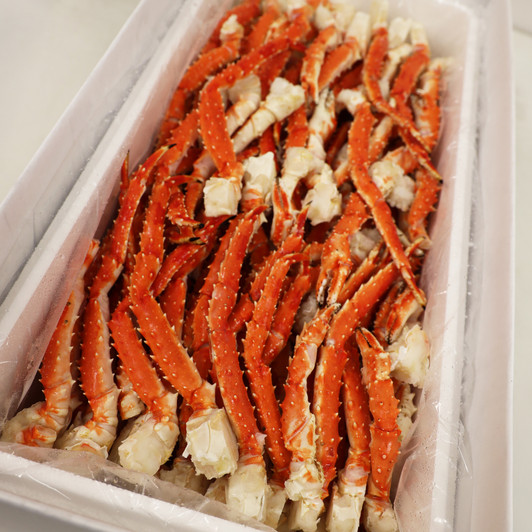
Crabs & Lobsters: Alive with active movement and intact limbs.
Shrimp and Prawns
Firm body, translucent shells, no black spots, no mushy tails.
Specialty Seafood
Octopus, squid and exotics should have firm, glossy flesh and a mild sea scent.
The roe should be firm and shiny, with almost no smell—excepting the slightest brininess.
Testing the Freshness of Seafood When Purchasing Online
Buying seafood online can be tricky; however, following these tips will always ensure that one gets the best quality, no matter where one lives in the world.
1. Verification of the Supplier’s Credentials
Look for certifications like MSC for Marine Stewardship Council, BAP for Best Aquaculture Practices, or regional approvals of sustainable fishing. Certified suppliers ensure handling standards for seafood freshness.
2. Review Delivery Methods
Specify that temperature-controlled shipping by the supplier should be in insulated packaging. Freezing techniques or vacuum-sealing can help to preserve seafood freshness over long-distance transportation.
3. Analyze Product Descriptions
Detailed listing would contain catch date, storage instructions, and handling methods. Know if the seafood is fresh, flash frozen, or previously frozen and plan your use accordingly.
4. Customer Reviews
Check the reviews for freshness, flavor, and quality indications. Supplies that are usually dependable include those that repeat customers and professional chefs recommend.
We specialize in worldwide seafood delivery and make sure that products are fresh, be it from New York to Tokyo or from Paris to Dubai, taking much care with each package.
Storage of Fresh Seafood
Freshness requires proper storage upon purchase.
Fish
Store at 0–4 °C (32–39 °F) up to 1–2 days.
Store on ice, if possible, in an airtight container.
Shellfish
Store live shellfish in a covered container, lightly moist, and use within 24 hours.
Shucked shellfish are best refrigerated in liquid and utilized promptly.
Frozen Seafood
Thaw in refrigerator or under cold running water.
Never re-freeze once thawed; this compromises seafood freshness and quality.
Cooking Tips to Maximize Freshness
Fresh Fish
Light seasoning heightens the flavors naturally.
Cook quickly at medium heat to preserve the texture.
Shellfish
Steam, grill, or bake in order to retain moisture and flavor.
Avoid overcooking, as this will make the seafood become rubbery.
Frozen Seafood
Thaw correctly before cooking.
Pat dry to reduce excess water and keep the texture intact.
Signs of Spoiled Seafood
Even with careful buying, seafood can be unsatisfactory sometimes. Here’s what to watch for:
Foul odor or ammonia smell
Slimy or mushy consistency
Discoloration or dull skin
Open or broken shells in live shellfish
All seafood showing such signs should be discarded to avoid foodborne illness.
Why Buying Seafood Online Makes Sense
This makes buying seafood online a great opportunity to purchase high-quality products from around the world that might not be available in your local market.
Global Delivery
Fresh and frozen seafood at your doorstep, anywhere in the world.
Temperature-controlled shipping preserves peak seafood freshness.
Convenience
No need to make several trips to the fish market.
Varieties are available all through the year.
Sustainability
Certified fisheries assure responsible harvest and ecological-friendly practices are maintained.
Consumers receive fresher seafood and help support more sustainable ecosystems.
Our Commitment to Fresh Seafood Worldwide
We pride ourselves on having the best seafood and assisting people in learning ways of checking seafood freshness.
Certified, ethically sourced products
Fast, worldwide shipping with cold-chain logistics
Packaging designed to retain peak freshness
Reliable service for the home cook, restaurants, and wholesalers
FAQs on Seafood Freshness
Q: How do I know if shrimp are fresh?
A: Firm and translucent shells devoid of black spots and odors.
Q: Can frozen seafood be as fresh as fresh fish?
A: Yes. Flash freezing keeps the taste, texture, and nutrients of seafood well-preserved.
Q: How long can seafood be kept in the refrigerator?
A: Fresh fish will last 1–2 days and live shellfish should be eaten within 24 hours.
Q: Does seafood spoil during shipping?
A: Not if shipped using proper cold-chain methods with temperature-controlled packaging.
Seafood for Sale – Countries We Ship To Include:
- United States
- United Kingdom
- Europe
- Canada
- Germany
- Italy
- UAE
- Saudi Arabia
- Singapore
- Japan
- South Africa
- Brazil
- Australia
- North America
- And many more….
Conclusion: Learn to Identify Fresh Seafood and Enjoy Fresh Seafood All Over the World
Understanding how to check seafood freshness will ensure that you get the best flavor, texture, and safety for each meal. Our global seafood delivery services give you the chance to have quality-fresh fish, shellfish, and exotic seafood delivered anywhere, knowing they are of the highest quality, sustainable, and sourced in an ethical manner.
Whether you are a professional chef, home cook, or wholesale buyer, knowing these tips enables you to choose, store, and cook the seafood at its freshest. Order online today and enjoy premium seafood delivered right at your doorstep anywhere in the world.