
Fresh Seafood vs Frozen: What’s the Real Difference?
With seafood, one debate will always be at the forefront: fresh seafood vs frozen. The discussion of which is better out of these will always remain constant with seafood enthusiasts, chefs, and even home cooks. Some insist that only fresh can give those “just caught” flavors, while others insist that modern freezing technology keeps it fresher for longer.
So, what’s the truth? More to the point, how can you be sure you’re buying good seafood no matter where you live?
This guide takes you through everything you need to know about fresh seafood vs frozen — from how each is processed, stored, and shipped to why buying from a trusted global seafood supplier such as ourselves means you can have the best of both worlds: freshness and convenience delivered anywhere in the world.
Understanding Fresh Seafood Versus Frozen
The first step to making choices between fresh and frozen seafood is to understand what the terms mean.
What is Fresh Seafood?
Yet, “fresh” isn’t a synonym for “right from the ocean.” If you are inland, for example, your fresh seafood might be several days old by the time it reaches your plate.
What is Frozen Seafood?
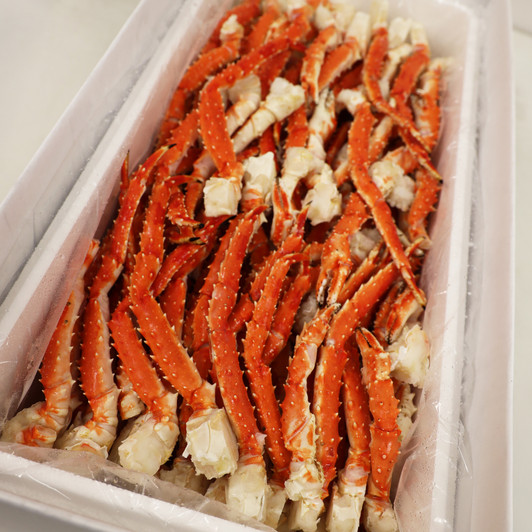
Most seafood is caught, cleaned, and then frozen — usually within hours — to lock in quality and nutrients. Ultra-low temperature freezing technology today flash freezes the fish and seafood to lock in freshness and minimize spoilage, so it will taste as great as just-caught fish.
It has nothing to do with distinguishing between good and bad; knowing the process, then making a decision on what is right for your needs and location, is what it is all about.
The Fresh Seafood Advantage
1. Natural Taste and Texture
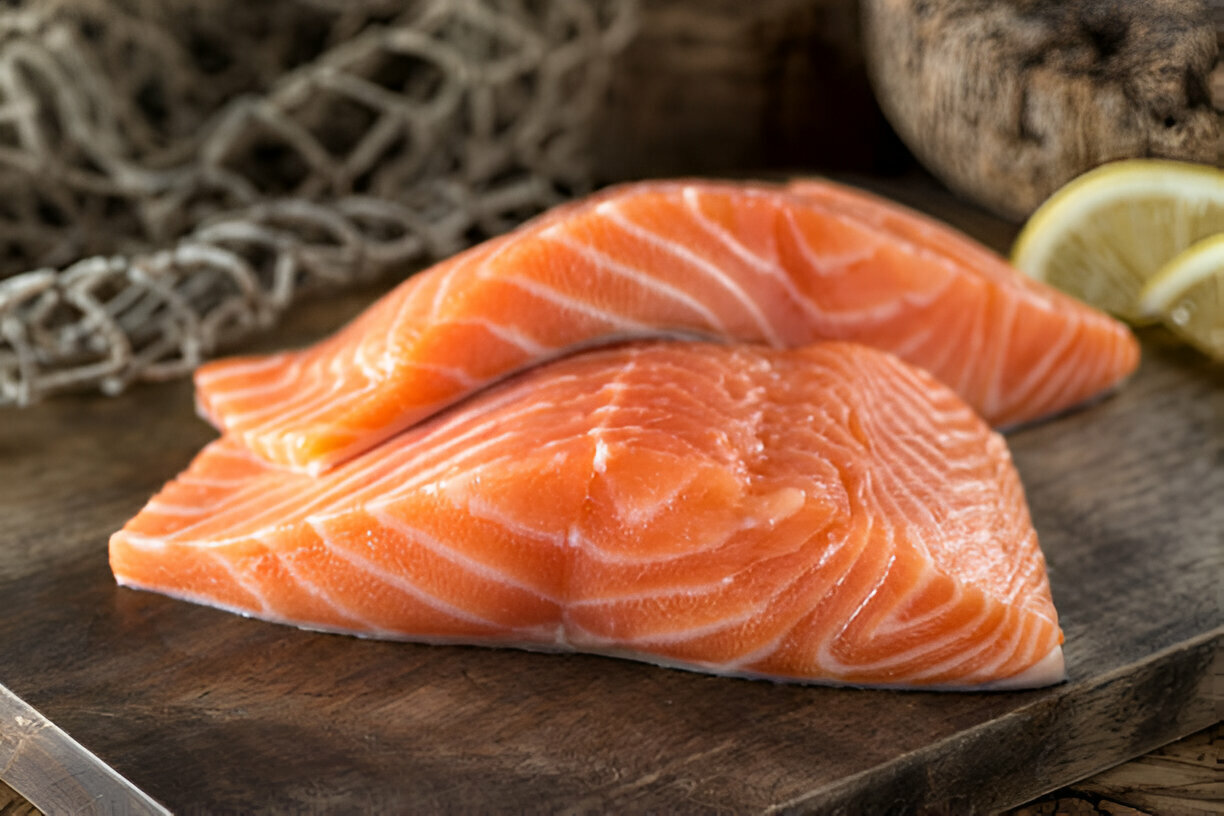
People love fresh seafood for its clean, ocean-like flavor. When it is fresh and well taken care of, the texture of fresh seafood is tender, with a mild aroma that lends itself so well to sushi, grilling, or steaming.
2. Suitable for Local Buyers
If you live near a coast or within a region that gets fresh catches, then buying fresh seafood is your best bet. You will probably get fish that was caught within the last 24–48 hours.
3. Ideal for Gourmet Cooking
That would be the main reason most chefs like fresh seafood: it can provide subtle changes in flavor and mouthfeel, which is important for high-class dishes. Among key contributors of quality presentation, freshness is one of the main ones in professional kitchens.
The Frozen Seafood Advantage
1. Longer Shelf Life
Amongst all these merits, the shelf life of frozen seafood is unparalleled. Frozen properly, it would last many months with absolutely no loss of taste or texture. This again makes them perfect for international shipping customers who stock up on groceries.
2. Global Availability
Another definite advantage of frozen seafood compared to fresh is that it can be shipped anywhere around the world. Our seafood store delivers worldwide, enabling customers to enjoy high-quality seafood from the world’s oceans in cities such as Paris, Douala, New York, or Tokyo.
3. Freshness Locked-In
With modern freezing technologies like IQF, seafood is preserved when it’s at its freshest. Fish are frozen within hours of being caught; this actually keeps them fresher than “fresh” fish that has spent days in transport.
4. Affordability
Because of this, it is usually cheaper; no rush transport is needed. You get the high-quality seafood but without the high prices caused by air freight shipping.
Fresh Seafood vs Frozen: Breaking Down the Myths
Myth #1: Frozen seafood is less nutritious
Fact: Freezing seafood locks in nutrients. Vitamin and mineral content is practically identical to fresh fish. Sometimes frozen seafood has even more nutrients because it gets frozen right after catching it.
Myth #2: Fresh Always Tastes Better
Fact: Taste depends on freshness at the time of freezing. A fish frozen within hours of catching can taste just as good, or even better than, “fresh” fish that may have traveled several days.
Myth #3: Frozen Means Processed
Fact: Not necessarily. Most frozen seafood products are 100% natural with no additives. The freezing process is the preservative.
How We Deliver Both Fresh and Frozen Seafood Globally
Our Sourcing Process
Our seafood is sourced from fisheries that are responsible and practice sustainable means of fishing. All our seafood, both fresh and frozen, is quality and environmentally responsible.
Packaging and Preservation
Every order is carefully packed in an insulated box with dry ice or ice packs to maintain the correct temperature during shipment. That means it is as fresh as it was when it left its source, regardless of your location.
Global Delivery Network
We deliver our seafood products to any part of the world, whether it is Africa, Europe, Asia, the Americas, or Oceania. Be it Lagos for a home cook or New York for restaurant owners, rest assured that your order will arrive in perfect condition.
Quality Assurance and Customer Confidence
Our customers trust us because freshness, safety, and transparency are part of who we are. The origin of each product is stated, how it was handled, and whether it was fresh or frozen.
Side by Side: Fresh Seafood vs Frozen
| Category | Fresh Seafood | Frozen Seafood |
|---|---|---|
| Flavor | Natural, ocean-fresh flavor if handled right | Virtually indistinguishable from fresh if flash frozen |
| Shelf Life | 1–3 days | 3–6 months |
| Availability | Dependent on location | Available worldwide |
| Nutritional Value | High | Equally high |
| Price | Generally more expensive | Less expensive |
| Convenience | Easy to use | Stored for months |
| Shipment | Suitable for local delivery | Overseas shipment |
Both types have their place, and knowing when to use each is the key.
Which is Better: Fresh or Frozen Seafood?
Choose Fresh Seafood If:
You are going to cook it right away.
You prefer sushi, sashimi, or very light grilling with delicate flavorings.
Choose Frozen Seafood If:
You live inland or far from the sea.
You want to stock up without spoilage concerns.
You are ordering seafood from abroad.
This is why at our seafood store, we have fresh and frozen options available. The true winner in the fresh seafood vs frozen debate is our customer.
Proper Handling and Storage of Seafood
For Fresh Seafood
Store at 0°C–4°C (32–39°F).
Use airtight containers or wrap tightly.
Cook within 1–2 days of purchase.
For Frozen Seafood
Store at -18°C (0°F) or below.
Do not thaw and refreeze.
Thaw overnight in the fridge or in cold water.
Proper handling ensures safety, taste, and texture whether your seafood is fresh or frozen.
Sustainability Matters
Another aspect of the fresh seafood vs frozen discussion is sustainability:
Frozen seafood reduces waste because it lasts longer.
International shipping of frozen seafood creates less pressure on local fisheries.
Both can be sustainable if responsibly sourced.
We source responsibly caught fish from fisheries that protect marine ecosystems while supporting local communities.
Transparent Service
We indicate the origin of each product and whether it has been packed fresh or frozen. This transparency helps you make informed choices when comparing fresh seafood vs frozen.
Customer-Centric Approach
We understand that every customer’s needs are unique. Whether you are a restaurant owner or a home cook, we ensure timely delivery and consistent quality.
Tips for Buying Seafood
Buy from trusted online seafood stores.
Check labels for “fresh” or “frozen” and handling instructions.
Use the right cooking method — fresh seafood for delicate dishes, frozen for stews or grilling.
Try exotic seafood shipped worldwide.
FAQs About Fresh Seafood vs Frozen
Q: Is frozen seafood less fresh?
A: No. Seafood frozen within hours of catching can be fresher than “fresh” seafood that has been sitting on ice.
Q: Can I refreeze seafood once thawed?
A: Not recommended. Thaw only what you plan to cook.
Q: Do you ship seafood worldwide?
A: Yes! Our online store delivers anywhere in the world, maintaining freshness.
Q: Is frozen seafood as healthy as fresh?
A: Yes. Nutritional content remains nearly identical when frozen properly.
Q: What packaging is used for international orders?
A: Insulated boxes with ice packs or dry ice maintain the cold chain during shipment.
Seafood for Sale – Countries We Ship To Include:
- United States
- United Kingdom
- Europe
- Canada
- Germany
- Italy
- UAE
- Saudi Arabia
- Singapore
- Japan
- South Africa
- Brazil
- Australia
- North America
- And many more….
Conclusion: Fresh Seafood vs Frozen
In the debate of fresh seafood vs frozen, the question isn’t which is “better”; it’s about what fits your lifestyle, location, and cooking preference. With proper handling and sourcing, both options can provide delicious, healthy, and convenient seafood delivered worldwide.