
How to Freeze Seafood Properly – and Enjoy Premium Quality Delivered Anywhere in the World
When it comes to seafood, freshness isn’t just a nicety—it’s a necessity. At our company, we specialize in the delivery of premium seafood to any place in the world, and a key part in maintaining such top-quality food is how properly it is frozen. In this guide, we take you through exactly how one should freeze seafood properly, from the best practices in packaging, freezing, and thawing to how you can rely on us for worldwide freezer-to-your-door delivery of top-grade seafood.
Why Freezing Seafood Properly Matters
Seafood ranks among the most perishable of foods. As NOAA Fisheries says, once you bring seafood home, you must “keep it cold, keep it moving, and keep it clean.”
fisheries.noaa.gov
If it is not frozen or stored correctly, you risk:
Loss of texture: The large crystals tear the tissue mechanically and render flesh mushy or spongy.
uaf.eduFreezer burn or oxidation: spoil flavor, dry patches and off-odors.
MashedReduced shelf-life and lower overall quality.
Tourism PEI
Conversely, if the seafood is correctly processed, frozen, and subsequently thawed and cooked, you will enjoy almost fresh flavor and texture—even though it is frozen. Since we ship all over the globe, we rely on such best practices to make sure your seafood reaches you in good condition, no matter where in the world you may be.
How to Freeze Seafood: A Step-by-Step Approach
Here’s a detailed breakdown of the process—so you know what we’re doing, and what you can do at home too. This will help you freeze seafood properly for top results.
1. Use Only the Freshest Seafood Possible
You cannot improve the quality of seafood by freezing; you can only preserve what you have.
Caribbean Green Living
So,
Purchase seafood that looks clean, firm, without off smells.
Florida Atlantic University
If you’re the one freezing at home, keep the seafood cold once you bring it home—either ice it or refrigerate until ready.
seafood.oregonstate.edu
2. Clean and Portion Appropriately
Before freezing:
Rinse seafood under cold running water, especially whole fish or shellfish.
fishfiles.com.au
Pat dry thoroughly. Excess surface moisture creates ice crystals.
Land and Sea Delivery
Portion into sizes that are manageable, so that you only thaw what you’ll use.
Land and Sea Delivery
3. Choosing the Right Package
Poor packaging is one of the biggest mistakes since oxygen is an enemy.
Mashed
Good options include:
Sealing under vacuum: best if available, removes air and locks in freshness.
Eco SnippetsFreezer-quality zip bags: press out as much air as possible.
Can You RefreezeWrap tightly with plastic wrap + foil/freezer paper, then place in a bag.
fisheries.noaa.govIce-glazing method—for fish fillets in particular: freeze on a tray then dip in lightly salted ice water to form a thin ice coat then package.
Land and Sea Delivery
4. Establishing and Maintaining Appropriate Freezer Temperatures
For safe freezing and good quality,
The freezer should be 0 °F (–18 °C) or colder.
Seafood Factory
Freeze as quickly as possible, if possible, to avoid large ice crystals (especially home freezing).
uaf.edu
Do not overload the freezer in order not to compromise air circulation.
fishfiles.com.au
5. Label, Date, and Follow “First In, First Out”
Keep a record of what you have, when it was frozen and use the older stock first. This preserves quality.
honest-catch.com
6. Know How Long to Freeze Seafood for Best Quality
Although seafood stored at 0 °F is safe indefinitely, for best flavor and texture, there are recommended time frames.
Cooperative Extension
Here are general guidelines:
Lean fish (cod, sole): high quality for up to 6 months.
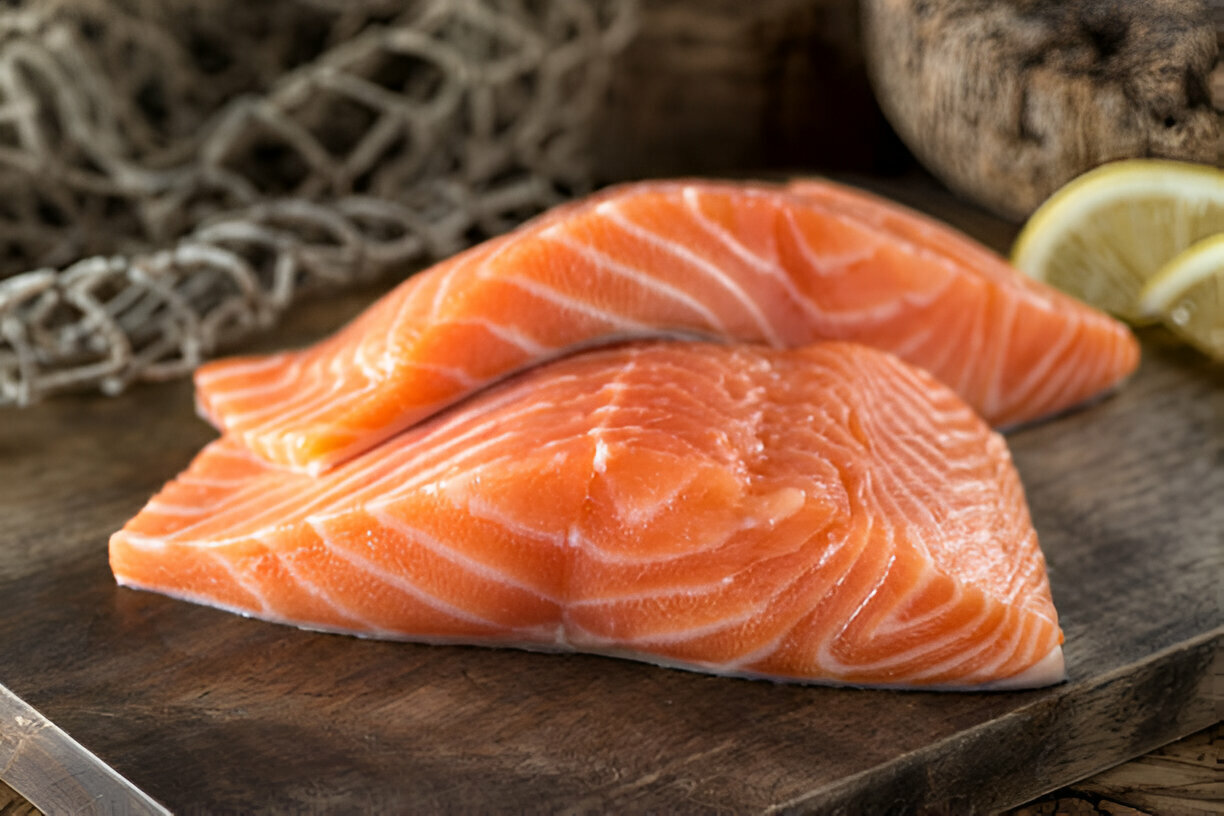
Tourism PEIFatty fish (such as salmon, trout): shorter time, possibly 2-3 months.
Southern LivingShellfish: shrimp, scallops—about 3 to 6 months depending upon type and packaging.
Can You Refreeze
7. Thawing Seafood Properly
How you thaw seafood is almost as important as how you freeze seafood properly. Following are safe and quality-preserving methods:
Refrigerate overnight in the refrigerator, if possible.
Can You RefreezePlace in a bag and seal, submerge in cold water, change water every 30 minutes if time allows.
Can You RefreezeAvoid thawing at room temperature or in hot water—you’ll risk the growth of bacteria and loss of texture.
PeopleOne Health
8. Use Immediately After Thawing
When seafood has been thawed, cook it immediately. Do not refreeze seafood that has been thawed unless it has been thawed safely in the refrigerator.
Can You Refreeze
Why We Ship Worldwide and How We Guarantee the Conditions of Your Seafood Upon Arrival
At [Your Company Name], we know you expect great seafood no matter where you are in the world. Here’s how we make that happen:
Premium Sourcing & Freezing
We source our seafood at peak freshness, often right after the catch.
We use IQF (Individual Quick Frozen) or equivalent methods to lock in texture and freshness.
Seafood Factory
Packaging for transport includes vacuum seal or high-quality freezer bags, insulated shipping, and temperature-controlled logistics.
Worldwide Shipping
Whether you are in Africa, Europe, Asia, North America, or beyond, we ship to your country.
We maintain cold-chain logistics so that the seafood you receive is still frozen solid and ready for your freezer.
Well-labeled, exported with documents, customs compliant, and handling instructions included so that you will understand how to store and utilize it.
Advice on Storage Upon Arrival
When your shipment arrives:
Transfer immediately to your home freezer (–18 °C / 0 °F or colder) until you’re ready to use.
Store it in the coldest part of your freezer, away from the door.
Use within the recommended period for the best flavour (see guidelines above).
Why You Should Buy Frozen Seafood from Us Rather Than Rely on “Fresh” Local Supply
In many parts of the world, “fresh” seafood has, in fact, been frozen at sea or during transport in any case.
Freezing correctly means peak-season flavour, locked-in texture, and longer shelf-life—there’s no rush to cook it within 1-2 days.
You get varieties which may not be available locally with international shipping.
We take care of all the logistics; you only receive great seafood ready to go.
Common Mistakes Made When Freezing Seafood (and How to Avoid Them)
Knowing what not to do protects your quality. Here are some top ones to avoid:
Poor packaging / too much air → causes freezer burn and dry texture.
MashedFreezing too slowly / at too high a temperature → large ice crystals form and damage the flesh.
uaf.eduLeaving excess moisture on the seafood → surface ice crystals form and degrade quality.
Land and Sea DeliveryOverfilling freezer or blocking airflow → leads to irregular freezing of foods; temperature increases.
fishfiles.com.auThawing at room temperature or in warm water → loss of texture, bacterial risk.
PeopleOne HealthRefreezing thawed seafood: quality drops, even safety can be compromised.
Can You Refreeze
By avoiding these, you will preserve the seafood that tastes as good as when caught. This is another reason why you should always freeze seafood properly.
What Kinds of Seafood We Ship and How to Handle Each
We provide a variety of seafood, each one having slightly different handling and freezing notes.
Fish Fillets & Steaks (e.g., Cod, Sea Bass, Tilapia)
Portion and package as above.
Store lean fish longer, up to ~6 months; store fatty fish shorter, ~2-3 months.
When thawing: keep sealed, thaw in fridge, pat dry and cook.
Whole Fish: Gutted / Dressed
If freezing whole: it is recommended to glaze or wrap tightly to protect from freezer burn.
Land and Sea Delivery
Use sooner rather than later for best texture.
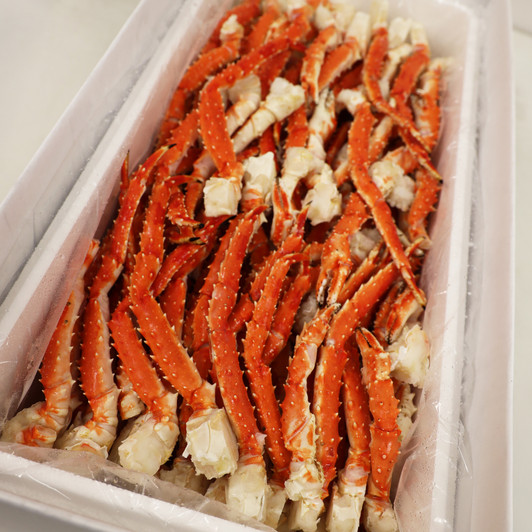
Shellfish (Shrimp, Scallops, Lobster, Clams, Mussels)
Clean thoroughly, removing shells where necessary. Pat dry.
Caribbean Green Living
Vacuum seal or bag tightly, freeze flat if possible.
Can You Refreeze
Lean fish have shorter freezer life; use within 3–6 months for best quality.
Your Global Delivery, Simplified
Here’s how our process works for getting premium frozen seafood to you, wherever you are in the world:
We freeze the seafood under ideal conditions: rapid freeze, correct packaging.
Packaging and shipping are done in insulated boxes with dry ice or gel packs using optimal logistics.
Receive the shipment at your location—and immediately transfer to your freezer (–18 °C / 0 °F or colder).
When ready, thaw as described above and cook for best results.
Because we follow all the above steps, that is, freeze seafood properly, you will have fresh-tasting seafood with maintained texture.
FAQs: Freezing Seafood & Worldwide Shipping
Q: How long can I keep the seafood once delivered?
A: Most seafood items, frozen and sealed properly, will last for 3–6 months with good quality. Lean fish can store longer—up to about 6 months. Best flavour when used sooner rather than later.
Cooperative Extension
Q: Will it be of the same quality as fresh?
A: Yes, texture and flavor can be very close to fresh if frozen at peak freshness and packaged/handled correctly. The key is good freezing, packaging, and correct thawing.
Q: What should I do after thawing?
A: Use seafood in a timely manner—cook within 1 to 2 days. Don’t refreeze thawed seafood unless it was handled very carefully.
Can You Refreeze
Q: Does shipping internationally affect quality?
A: No, not if the cold-chain is properly maintained. That’s why we use insulated shipping, temperature-controlled logistics, making sure the product stays frozen right up until you receive it.
Q: Are there any shipping restrictions or import issues?
A: Yes, depending on your country, there may be customs and/or import requirements for food products. We will handle the documentation and guide you through any required steps.
Countries We Ship To Include:
- United States
- United Kingdom
- Europe
- Canada
- Germany
- Italy
- UAE
- Saudi Arabia
- Singapore
- Japan
- South Africa
- Brazil
- Australia
- North America
- And many more….
Final Thoughts
If you want to enjoy delicious high-quality seafood that has been delivered straight to your freezer anywhere in the world, the secret is simple: freeze seafood properly. Each step—from freshness at catch to rapid freezing, airtight packaging, correct storage temperature, safe thawing, and prompt cooking—is important.
At [Your Company Name], we specialize in helping you access the best seafood in the world—while taking care of all the logistics so you can simply enjoy amazing flavor. Thanks to our worldwide shipping, there’s no need to settle for less. You can have premium frozen seafood delivered, stored correctly, thawed safely—and cooked to perfection.
Take these freezing guidelines to heart—or just rely on us!—and you’ll be ready to serve up seafood that impresses every time. Whether it is stocking up for the family, planning a special meal, or just enjoying top-quality seafood on your schedule, we’ve got you covered.
Order today, freeze seafood properly, and enjoy seafood the way it’s meant to be.