
Climate Change & Seafood: What It Means for Our Global Seafood Supply—and Why We’re Here to Serve You Worldwide
When you think of seafood, you might imagine fresh fish, succulent shellfish, sushi platters or a coastal feast. But behind every ocean-delivered delicacy lies a broader story—of changing seas, shifting fish stocks, evolving supply chains—and a global marketplace that still brings the bounty of the sea to your table.
At [Your Company Name], we believe in connecting you with premium seafood from around the world. And we want you to understand the context—because your plate is part of a global ecosystem. In this post we’ll explore:
How climate change seafood is affecting ocean warming, acidification, and shifting stocks.
What that means for seafood production, nutrients, sustainability, and availability.
How our worldwide seafood distribution supports you—and how you support responsible sourcing.
What you as a consumer can look out for.
Why we are confident in delivering global seafood, despite environmental pressures.
1. Ocean Changes in Motion: Why Climate Change Matters for Seafood
Warming oceans & shifting species
Our oceans are warming. For example, the Marine Stewardship Council reports that in the past 30 years marine heatwaves have increased by more than 50%. As ocean temperatures rise, fish and shellfish respond. Some species move toward cooler waters (higher latitudes or deeper water), others decline in productivity.
Ocean acidification & deoxygenation
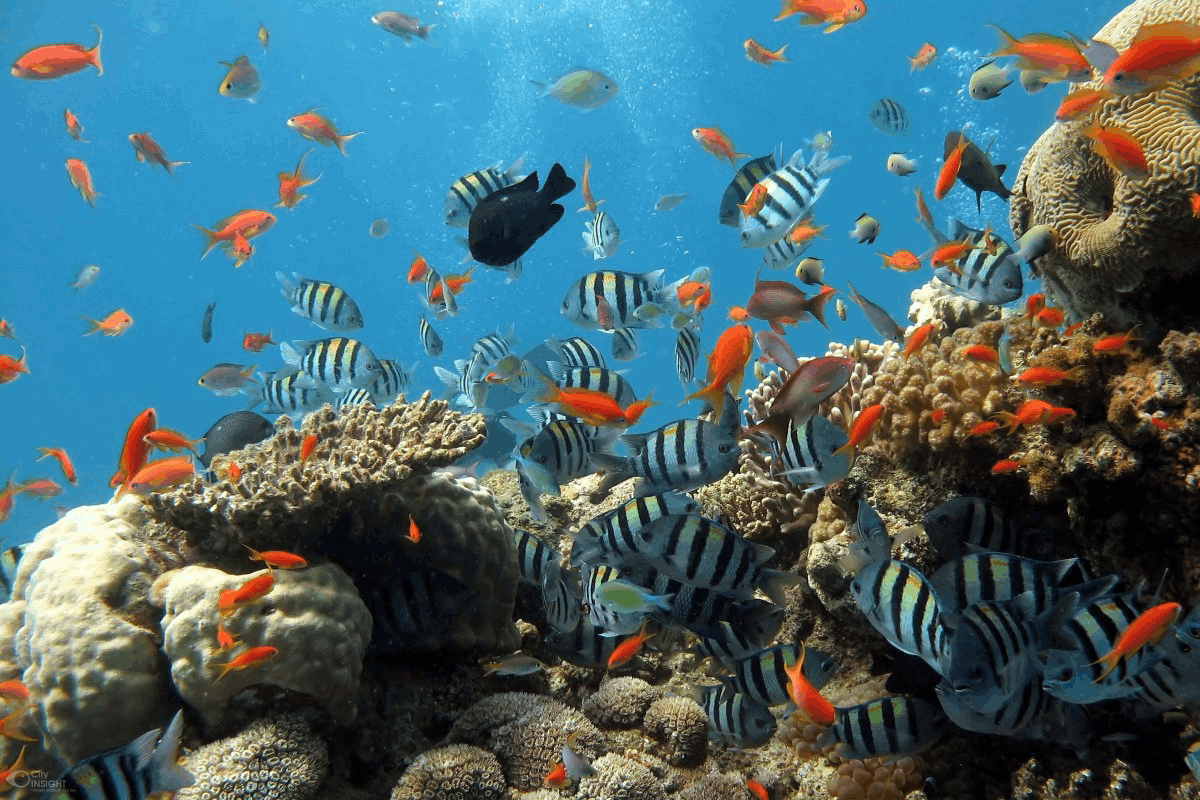
The ocean absorbs a large portion of the excess heat and CO₂ in the atmosphere; this leads to changes in chemistry—acidification, reduced oxygen in some areas—which affects marine life from plankton up through fish.
Nutrient declines in seafood
One of the less-visible impacts: seafood from wild capture is projected to supply fewer essential nutrients (like calcium, iron, omega-3 fatty acids) in warm-tropical, lower income countries due to climate change seafood interactions. Research shows that for every degree C of warming, nutrient availability from seafood may drop by ~4–7% globally, and 10–12% in vulnerable tropical regions.
Impacts on fisheries & global supply
The changes don’t just affect marine ecology—they affect livelihoods, supply chains, global trade. For example, the National Oceanic and Atmospheric Administration (NOAA) notes that changing ocean conditions affect the location and productivity of fish stocks, which in turn impacts fisheries, communities and businesses.
2. What This Means for Seafood You Buy
Reduced catch in some regions
Especially in tropical zones, fish catch potential is projected to decline significantly if warming continues unabated. This means fewer fish available in some areas, which can drive up costs, reduce choice and increase the pressure on sustainable sourcing.
Changes in flavor, texture & quality
Research and industry articles suggest that for shellfish and some fish, ocean warming and altered plankton diets can affect the taste and quality of seafood—shell structure in shellfish, or flavor in oysters/mussels can be altered by temperature and acidity.
Consumer access & global trade
Because some regions will struggle more, sourcing seafood globally becomes not just a convenience—but a necessity. If local supplies decline, companies that can access international networks and ensure cold-chain shipping will have the advantage. That means better access for you, the consumer.
Sustainability matters now more than ever
With climate change seafood dynamics impacting fish stocks and ecosystems, sustainability isn’t optional—it’s a critical element of the seafood supply chain. Sources such as the Marine Stewardship Council emphasise that well-managed fisheries are “better prepared for environmental changes”.
3. How We Operate Worldwide to Bring You Premium Seafood
Global sourcing network
We source seafood from key fishing grounds around the world—leveraging regions with strong governance, compliance with sustainability standards, and robust logistics capabilities. Whether it’s wild-caught fish from cooler waters or responsibly farmed shellfish in controlled environments, our aim is to maintain quality—and availability—despite global challenges.
Cold-chain logistics & world-wide delivery
Seafood is perishable. To serve you internationally, we employ advanced cold-chain logistics: rapid freezing (or fresh shipment when feasible), insulated packaging, temperature-tracked transit, and reliable customs clearance. The result: your seafood arrives fresh and safe, no matter your location.
Sustainability & transparency
Given the pressures from climate change seafood interactions on production, we emphasise:
We favour suppliers with strong environmental credentials (e.g., certified by recognised bodies).
We monitor and adjust sourcing in regions where climate impact is severe or supply is volatile.
We communicate openly with customers about origin, handling and sustainability status of products.
Offering choice while adapting
Climate change seafood challenges may shrink supply in some regions, but it may open new opportunities in others (as species migrate). We leverage that flexibility—bringing you a wider range of species, and sometimes newer ones—as part of our global offering. Because we believe in delivering not just what’s available today, but what’s possible tomorrow.
4. Why Climate-Aware Seafood Buyers Like You Are Vital
You support resilient supply chains
By choosing a provider with global reach and sustainable sourcing, you help build demand for responsible operations. That in turn supports fishers, aquaculture farms and ecosystems in adapting to change.
You reduce risk of disruptions on your plate
When you partner with a seafood supplier that has a worldwide outlook, you mitigate risk of shortages, regional collapse, or sudden cost spikes due to climate shifts. That means you get the variety and quality you expect.
You invest in the future of oceans
Every seafood purchase is also an indirect vote—for sustainable oceans. Recognising the link between climate change seafood dynamics encourages smarter sourcing, responsible consumption and support for fisheries management worldwide.
5. Addressing Common Questions
“If climate change is reducing seafood, how can you guarantee supply worldwide?”
It’s a valid question. While it’s true that some regions face declines, our global network mitigates region-specific risks. By sourcing internationally, adapting to shifting stocks, and using strong logistics, we’re better positioned than many to maintain consistent supply. Additionally, we prioritise sustainability to ensure long-term viability.
“Is seafood from climate-stressed regions still safe/healthy?”
Yes—with caveats. While taste and nutrient profiles may shift slightly with changing ocean conditions, research in some species (e.g., yellowfin bream) found little change in key nutritional and biochemical properties despite warming/acidification conditions. However, we still vet sources carefully and work only with suppliers who meet stringent quality standards.
“What can I do as the buyer to support sustainable seafood in a changing climate?”
Choose suppliers who disclose origin, sustainability credentials and handling.
Diversify your seafood choices (rather than always the same species) — this distributes demand pressure.
Ask about traceability and cold-chain logistics.
Support businesses that invest in adaptive sourcing and sustainability.
6. The Global Impact of Climate Change on Seafood — Region by Region
Tropical and low-income regions
These are among the hardest hit. A study found that for Southeast Asia and Pacific Island countries, under no-mitigation scenarios, the potential catch could decline by 70-92% by the mid-to-end of the century. Nutrient availability from seafood in those regions also faces steep declines.
Higher latitudes / cooler waters
In some cases, warming may shift species range northwards (or to deeper water). This can open new opportunities—but also demands new infrastructure, regulation and adaptation.
Global trade & supply chains
Because climate change seafood variations add risk and variability, companies that can operate globally have a strategic advantage. This extends to consumers: for you, it means more stable access.
7. Why Every Plate of Seafood Is Connected to Climate
When you sit down to enjoy seafood, consider the chain behind it: fish hatched somewhere in the ocean, grew in shifting waters influenced by climate, was caught or farmed under evolving conditions, shipped via cold-chain around the world, and finally reached your table.
In this chain:
Warming waters influence growth, migration and availability of fish.
Ocean acidification can affect shellfish shell strength or taste.
Changes in plankton and food webs influence fish quality.
Supply disruptions or regional declines can impact price and choice.
Sourcing from distant regions means global shipping—so logistics and emissions matter too.
While this might sound overwhelming, it’s empowering: aware consumers and responsive providers can make a difference.
8. How We’re Ensuring Your Seafood Experience—Now & Tomorrow
Quality guaranteed
Every shipment meets rigorous quality checks: temperature control, freshness indicators, supplier audits. We ensure you receive seafood that excels in taste, nutrition and safety.
Global reach, local service
Whether you’re ordering from Douala, Cameroon (or elsewhere in Africa), Europe, Asia or the Americas—we deliver worldwide. Our logistics partner network spans continents. You select, we ship, you enjoy.
Sustainability built in
As climate change seafood pressures grow, we’re investing in:
Suppliers certified by credible bodies (fisheries or aquaculture).
Alternatives when traditional stocks are stressed (while ensuring taste & quality).
Transparency: you’ll always know the origin, handling and status of what you buy.
Future-proofing supply
Because seafood production is shifting, we’re constantly adapting: exploring new sources, timing seasonal catches, using improved packaging, and optimizing our supply chain. This means you benefit from both today’s seafood and tomorrow’s emerging possibilities.
9. The Bottom Line for You
Climate change seafood realities are clear—it’s affecting fish stocks, nutrient levels and global supply chains.
But it doesn’t mean you lose access to premium seafood. It means sourcing and distribution require more care—and we’re here to provide that.
By offering worldwide delivery, sustainable sourcing and transparent supply, we bring you seafood you can trust—regardless of where you are.
You, as a buyer, play an important role: your choices help support resilient, responsible seafood systems.
When you click “Order” you’re not just buying a meal. You’re connecting with a global ecosystem—an ocean influenced by climate, a network of fishers and farms, and a supply chain designed to deliver delicious, nutritious seafood to you.
Countries We Ship To Include:
- United States
- United Kingdom
- Europe
- Canada
- Germany
- Italy
- UAE
- Saudi Arabia
- Singapore
- Japan
- South Africa
- Brazil
- Australia
- North America
- And many more….
We invite you to explore our catalog, ask questions about origin, seasonality or sustainability. Let us serve you seafood that stands the test of climate change seafood challenges—because good food should be available, responsibly, to everyone, everywhere.
Thank you for choosing us. Together, we ensure that the changing seas still provide something amazing for your table.