
Seafood Buying Mistakes — The Complete Global Guide to Choosing Seafood Wisely
Buying seafood can be a rewarding experience if done right. From the tender sweetness of shrimp to the richness of buttery salmon, the right seafood brings flavor, health benefits, and joy to your table. Yet, many people make common seafood buying mistakes that lead them to disappointment in meals, wasted money, or even health hazards.
Here’s a guide to prevent seafood buying mistakes and assure freshness. Whether you buy locally or order online from another continent, we show how to get more value from our worldwide seafood delivery service.
Our services range from teaching you how to buy smart to offering traceable, sustainable seafood sourced from around the globe and delivered right to your doorstep, anywhere in the world.
Why Learning About Seafood Buying Mistakes Matters
Amongst all categories of food to be found in any marketplace around the world, seafood is one of the most perishable and complicated categories. A small mistake in selection, handling, or sourcing can ruin your experience. Knowing common seafood buying mistakes will help you:
Avoid spoiled or low-quality products.
Reduce waste and save the rest.
Opt for seafood choices that are sustainable and ecological.
Place your orders for seafood with confidence from our trusted international suppliers.
When you’re informed, every bite is fresher, tastier, and safer. Here’s how to become a smarter seafood buyer—wherever you live.
1. Mistake #1: Not Heeding Indicators of Freshness
How to Determine Fresh Seafood
Freshness is the most important determinant among all the factors that define the quality of seafood. The biggest single seafood buying mistake consumers make is not knowing how to judge freshness, especially when buying online or through global delivery.
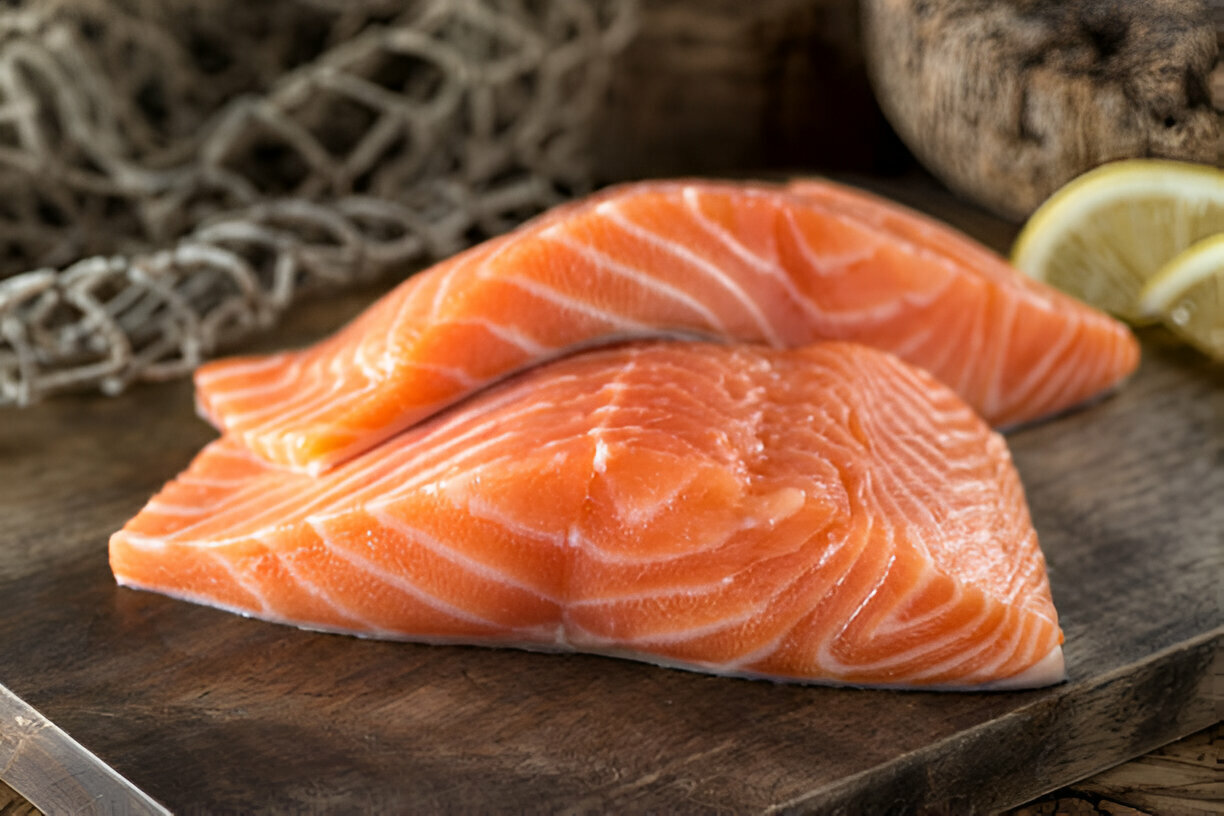
Aroma: Clean smelling, not fishy or sour, but like the ocean.
Look: Good signs are clear, shiny eyes of the fish and moist, firm flesh.
Texture: Gently press—flesh should spring back.
Shellfish: Clams, oysters, and mussels should have tightly closed shells or close when tapped.
When Buying Frozen Seafood
Don’t think frozen automatically means low quality. Usually, it’s quite the opposite: flash-frozen seafood is superior in nutrition and flavor to “fresh” seafood that has been on the road for days. The secret is buying from a source you can trust—just like us—where cold-chain integrity is preserved from ocean to door.
2. Mistake #2: Purchasing from Unknown or Unverified Sources
Now, with purchases online, seafood is available at every corner—from social media marketplaces to unregulated websites. The critical seafood buying mistake people make is trusting suppliers without any verification of their credibility.
How to Avoid It
Always look for traceability information: catch area, method, certification.
Look for global certifications like the MSC, ASC, or BAP.
Read the reviews left by customers and their ratings.
Check to see if the company has temperature-controlled international shipping.
Our company cooperates closely with certified fisheries and aquaculture farms worldwide to ensure authenticity and traceability, hence guaranteeing safety in seafood shipments to your country.
3. Mistake #3: Thinking “Fresh” Is Always Better
Many people think that “fresh” is superior compared to frozen, but it can actually be one of the most common seafood buying mistakes.
The Truth About Fresh vs. Frozen
Non-local “fresh” seafood often travels for days and deteriorates in quality.
Frozen-at-sea seafood is preserved immediately, so freshness is locked in.
Properly processed frozen seafood can be as flavorful—or even more flavorful—than fresh.
Next time, don’t hesitate to buy a high-quality frozen option. When you purchase through our Global Seafood Marketplace, we flash-freeze and use cold-chain logistics to ensure freshness anywhere in the world.
4. Mistake #4: Not Using Sustainability Labels
Sustainability isn’t optional, yet one of the biggest seafood buying mistakes is not checking how or where your seafood was sourced.
Look for These Labels
MSC: Marine Stewardship Council certification for wild-caught seafood.
ASC: Responsible aquaculture practices.
BAP: Best Aquaculture Practices for responsible aquaculture.
Purchasing certified seafood helps protect the oceans, ensures a continuing supply, and supports ethical suppliers—like us—that ship anywhere in the world with full transparency.
5. Mistake #5: Lack of Understanding of Country of Origin and Labeling
Labeling of seafood can be misleading. Many buyers make seafood buying mistakes because they don’t properly read the packaging.
What Labels Tell You
Country of Origin: Where the fish was caught or farmed—not where it was processed.
Catch Method: Wild-caught, line-caught, or farm-raised.
Value-Added Products: Fresh, frozen, smoked, or ready-to-cook.
Our products carry clear, internationally compliant labels so that whichever country you buy in, you know precisely what you are getting.
6. Mistake #6: Focusing Only on Price
Cheap seafood is tempting to buy, but it’s one of the riskiest seafood buying mistakes. Low prices often indicate poor handling, unverified origins, or unsustainable practices.
Balancing Quality and Cost
Compare prices of similar certified products.
Consider shipping and handling quality.
Remember, higher-quality seafood lasts longer and tastes better.
From our variety of seafood delivery services worldwide, the price has always been appropriate to the value paid—never compromising on quality.
7. Mistake #7: Not Checking the Instructions for Storage and Handling
Even the freshest seafood will spoil if not stored correctly. Another frequent seafood buying mistake is not following proper storage suggestions after purchase.
Storage Tips
Fresh Fish: Refrigerate immediately; use within 1–2 days.
Frozen Seafood: Keep frozen until ready to cook. Do not refreeze after thawing.
Live Shellfish: Keep cool and moist, but do not seal in airtight containers.
Our seafood always arrives with detailed storage and preparation instructions, ensuring top quality from box to plate.
8. Mistake #8: Not Considering Seasonality or Regional Availability
Not all seafood species are available year-round. A subtle seafood buying mistake is ordering products that are out of season and therefore less fresh or more expensive.
What to Know
Some fish, like salmon, are seasonal. Buying off-season generally means frozen stock.
Species vary by region due to climate and catch restrictions.
Choosing varieties in season ensures the best flavor and value.
We make it easy—our worldwide sourcing ensures you will always have seasonal seafood from somewhere on the globe, fresh to your doorstep.
9. Mistake #9: Not Checking the Integrity of Packaging
Poor or damaged packaging can lead to spoiled seafood. Failing to inspect packaging is one of the simplest seafood buying mistakes to avoid.
Things to Look For
Airtight or vacuum-sealed packaging.
No frosting or leakage.
Proper labeling with expiration date and batch code.
Our packaging is insulated, temperature-controlled, and tested for international transport—perfect for global delivery.
10. Mistake #10: Forgetting About Allergies and Food Safety
Food safety should never be overlooked. One of the major seafood buying mistakes includes ignoring allergen labels or contamination warnings.
How We Handle Food Safety
All suppliers certified to HACCP standards.
Correct allergen and ingredient labeling.
Tested for mercury and contaminants where required.
Sea to Table has a Seafood Safety Guarantee: every shipment meets global safety standards to protect you and your family wherever you are.
11. Mistake #11: Lack of Consideration About Supplier Transparency
A good supplier should always disclose product origin. Lack of transparency is another key seafood buying mistake to avoid.
How We Are Different
Full traceability for every product.
Cold-chain tracking maintained through our global logistics partners.
Verification of origin, certification, and shipping documentation available anytime.
Transparency builds trust. Our global buyers know exactly what they’re getting—right down to catch location.
12. Mistake #12: Believing the Company Doesn’t Deliver Internationally
Many buyers assume international seafood delivery is unreliable. This is one of the most limiting seafood buying mistakes—not taking advantage of global seafood delivery options.
Why You Should Order Globally
Access to premium and exotic seafood species.
Consistent quality through professional logistics.
Competitive pricing from diverse markets.
We specialize in global seafood delivery, shipping from certified hubs across Norway, Canada, Cameroon, Thailand, and beyond. Wherever you live, you can access the world’s best seafood.
How Our Global Seafood Service Solves These Mistakes
Our mission is simple: make global seafood buying safe, easy, and transparent. Every product we sell is traceable, sustainably sourced, and shipped with temperature-controlled precision.
Here’s What You Get When Buying from Us
Verified suppliers with sustainability certifications.
Fresh, frozen, and live seafood.
Packages designed for international shipping.
Clear labeling, traceability, and storage guides.
Dedicated customer support for every order.
We source the freshest, most reliable seafood anywhere in the world—for restaurants and home kitchens alike.
Commonly Asked Questions About Seafood Buying Mistakes
Q1: Can I really trust frozen seafood?
Yes, flash-frozen seafood locks in freshness and is often superior to “fresh” seafood that has traveled for days.
Q2: How can I ensure seafood is sustainable?
Look for MSC, ASC, or BAP certifications. Our full seafood line carries globally recognized labels for sustainability.
Q3: Do you deliver to my country?
Yes, we ship worldwide—from Africa to Europe, Asia, and the Americas—using temperature-controlled logistics.
Q4: How can I avoid buying mislabeled seafood?
Buy only from verified suppliers like us. Each shipment includes full traceability, certification, and transparency.
Q5: Does seafood labeling vary by location?
Yes, labeling laws differ between countries. We include all international labeling information with our products.
Countries We Ship To Include:
- United States
- United Kingdom
- Europe
- Canada
- Germany
- Italy
- UAE
- Saudi Arabia
- Singapore
- Japan
- South Africa
- Brazil
- Australia
- North America
- And many more….
Conclusion: Stop Making Seafood Buying Mistakes and Buy with Confidence
Seafood buying doesn’t have to be confusing. By avoiding these common seafood buying mistakes, you’ll enjoy fresher, tastier, and safer meals while supporting responsible fisheries across the globe.
From catch to delivery, we handle everything—from sourcing and certification to shipping and labeling—so you can focus on what truly matters: enjoying the best seafood on earth, delivered right to your door.
Our seafood delivery service brings to your table the best the ocean has to offer—fresh, sustainable, and traceable—from Lagos to London, Dubai to Tokyo.