Seafood FAQs — Your Ultimate Guide to Buying Seafood Worldwide
Seafood is one of the best and healthiest kinds of food in the world, but buying it—mostly online or internationally—raises dozens of questions. That is why we’ve prepared this detailed Seafood FAQs guide that should answer all your questions about freshness, sourcing, sustainability, shipping, and many others. Be it a home cook, professional chef, or seafood lover who wants to make a purchase anywhere in the world, this guide will ensure that you get to know all that is necessary for making a well-informed purchase.
Why Seafood FAQs Are Important
Buying seafood presents some particular challenges. It’s extremely perishable and requires very careful handling. Sourcing varies wildly in both quality and sustainability. Our Seafood FAQs provide:
Purchase fresh or frozen/live seafood with confidence and clarity.
How to choose greener and more ethical products.
Know the process of global shipping right to your doorstep for freshness.
Answers to frequently asked questions by customers around the world.
Section 1: Frequently Asked Questions About Freshness
How Do I Know if Seafood Is Fresh?
Fresh seafood should have:
Clear, bright eyes (for whole fish)
Firm, elastic flesh
Shiny, moist skin or fillets
Smells ocean-like, not too fishy
Shellfish should have intact shells and react if tapped
Can Frozen Seafood Be Fresher Than Fresh?
Yes! Flash-freezing seafood within a short time of catching really helps lock in nutrients and flavor. As we detail in our Seafood FAQs, frozen seafood often travels better than “fresh” seafood that may be shipped long distances with little or no refrigeration.
Section 2: Understanding Sustainability
What Is Sustainable Seafood?
Seafood is described as being sustainable if it is sourced or farmed in such a fashion that it does not harm the marine ecosystem, does not deplete fishery resources, and does not use hazardous chemicals, either.
What Certifications Should I Look For?
MSC (Marine Stewardship Council): Wild Catch
ASC (Aquaculture Stewardship Council): Farmed seafood
BAP (Best Aquaculture Practices): Certified aquaculture farms
Our Seafood FAQs always encourage people to check for certifications before buying.
Section 3: Types of Seafood
Popular Fish Species
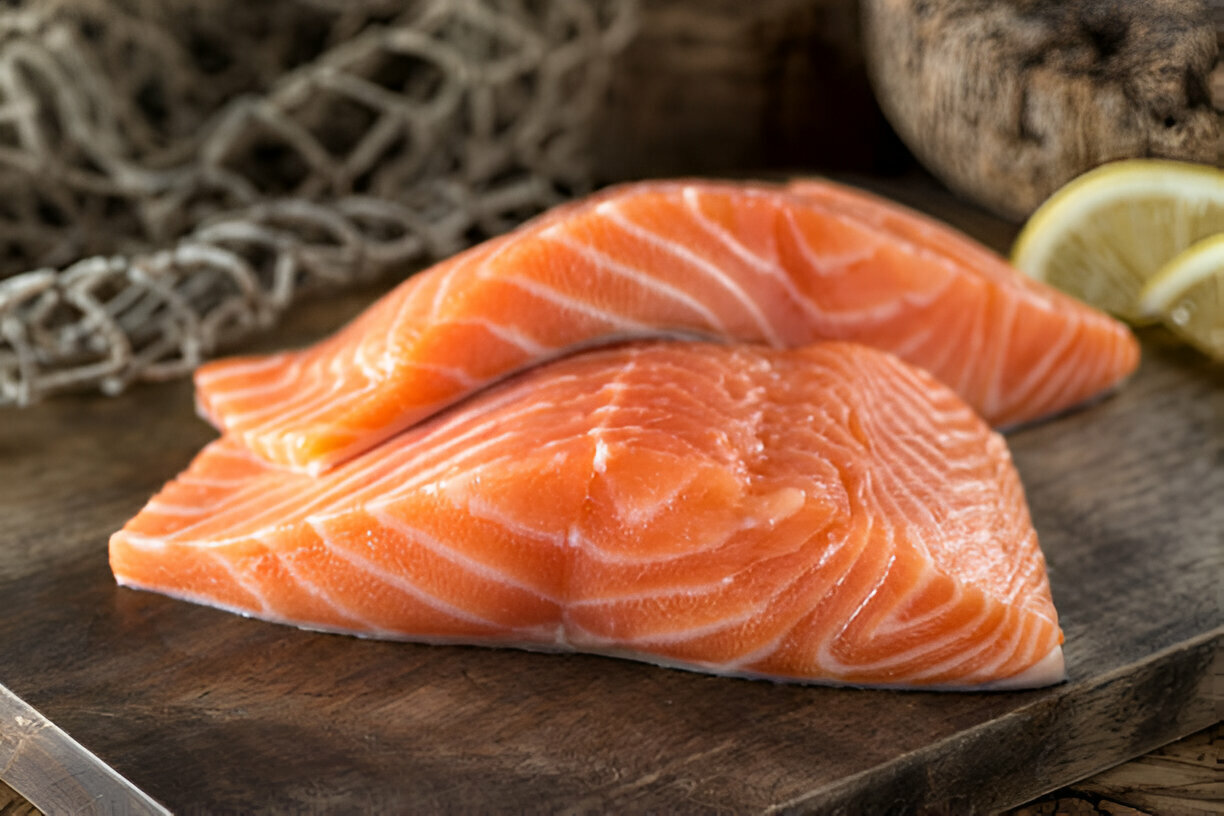
Salmon and tuna: freshness, mercury levels, and flavor
White Fish: cod, haddock, and tilapia — look for firm texture and freshness
Shellfish
Oysters, clams, mussels: shells should be intact and alive upon delivery
Exotic Species
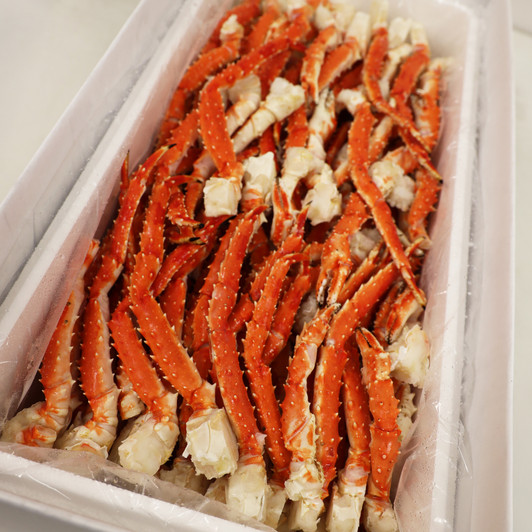
Specialty or rare seafood items should be assessed for shipment viability in addition to sustainability.
Our Seafood FAQs include species-specific guidance for ordering worldwide.
Section 4: Online Ordering of Seafood
How Do I Order Seafood Internationally?
Choose one that is reliable; it should deliver worldwide.
Check cold-chain handling and fresh packaging.
Understand the import regulations in your country.
What Can I Expect in Delivery?
Temperature-controlled insulated packaging
Custom documentation made clear
Seafood at your doorstep, ready to use
Our Seafood FAQs section ensures that buyers globally know what to expect from us.
Section 5: Storage and Handling
Fresh Seafood
Refrigerate immediately
Consume within 1–2 days
Frozen Seafood
Freeze until ready to cook
Do not refreeze after thawing
Live Shellfish
Follow vendor’s instructions
Accept only fresh lots
Good handling practices are what ensure quality and taste in seafood. This is discussed in greater detail in our Seafood FAQs.
Section 6: Pricing & Value
Prices vary depending on the species, origin, sustainability, and shipping. Our Seafood FAQs recommend:
Quality vs. price comparison
Prices are in US$ and do not include shipping or customs duties, which will be billed to the customer separately
Giving precedence to seafood sourced from sustainable supplies
Section 7: Common Pitfalls to Avoid
Price-based buying
Setting aside the origin and the method of catch or farming
Assuming that “fresh” is always better than frozen
Overlooking sustainability and certification
Our Seafood FAQs help you avoid these pitfalls.
Section 8: Seasonal & Regional Insights
Some types of seafood are seasonal. Ordering out of season may affect quality.
Regional sourcing will be fresher and more sustainable.
Check our Seafood FAQs page, which includes the best times and places for a range of seafood species.
Section 9: FAQ Section
Q1: Would You Be Able to Send Seafood From Here to All Over the World?
Yes, we ship seafood all over the world using temperature-controlled packaging and with the proper customs documentation.
Q2: Does Frozen Seafood Taste as Good as Fresh?
Yes, if flash frozen immediately after harvest. Our Seafood FAQs explain the fresh vs. frozen options for all species.
Q3: How Do I Know Live Shellfish Arrive Alive?
Live seafood suppliers provide secure packaging and temperature logs.
Q4: How Do Seafood FAQs Help Me in Choosing the Right Product?
They answer questions related to freshness, taste, sustainability, and shipping quality that help an individual make informed decisions.
Section 10: Why Buy From Us?
Reliable global suppliers
Fresh, sustainable seafood of the highest quality
Transparent process, freshness guaranteed
Expert guidance every step of the way with our Seafood FAQs
Countries We Ship To Include:
- United States
- United Kingdom
- Europe
- Canada
- Germany
- Italy
- UAE
- Saudi Arabia
- Singapore
- Japan
- South Africa
- Brazil
- Australia
- North America
- And many more….
Section 11: Conclusion
Our Seafood FAQs ensure that you can:
Order seafood anywhere in the world with confidence
Favor environmentally friendly and ethically produced items
Understand freshness, handling, and shipping requirements
Avoid common buying mistakes
Whether you are stocking up a restaurant or cooking for your family, these Seafood FAQs outline all the guidance you may need to ensure safe, fresh, delicious seafood is delivered anywhere in the world.