Fresh vs Frozen Fish: How to Get Quality Seafood Delivered Anywhere in the World
Fresh vs Frozen Fish: Differences Overview
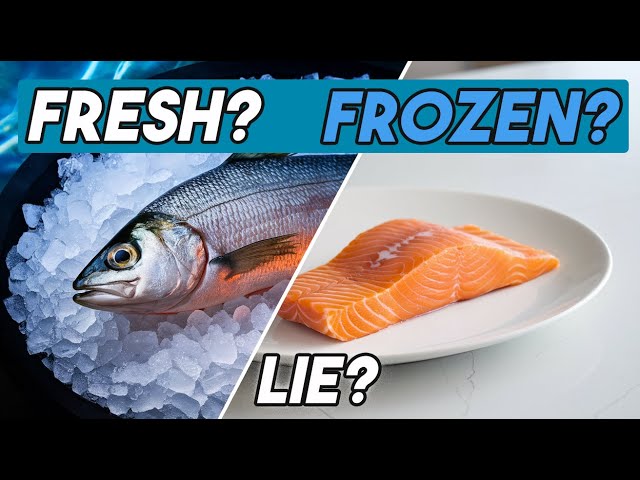
What “Fresh vs. Frozen Fish” Really Means
Fresh Fish Defined
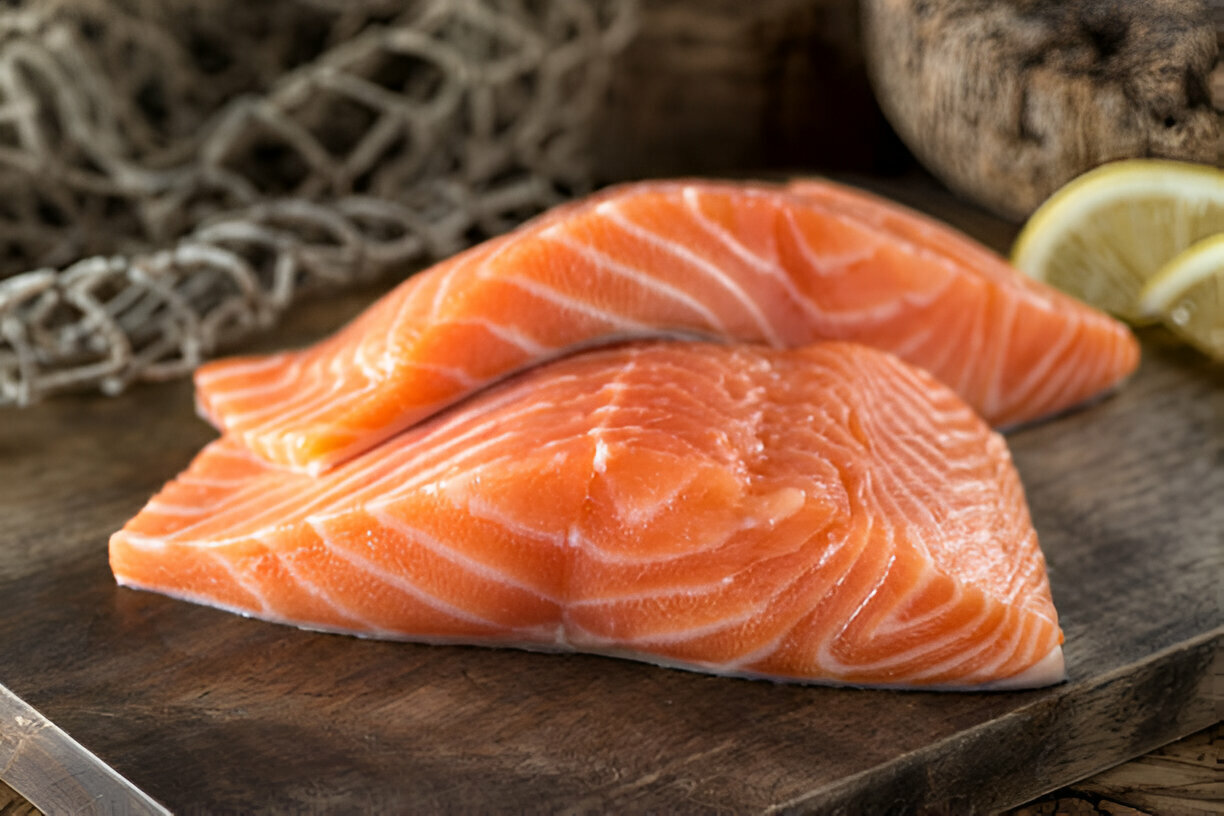
The term “fresh fish” generally refers to seafood that is not frozen after catch but instead is marketed in a chilled state, often iced. Considering fresh vs frozen fish, the assumption is that fresh is better, but there are a number of issues to consider.
Frozen Fish Defined
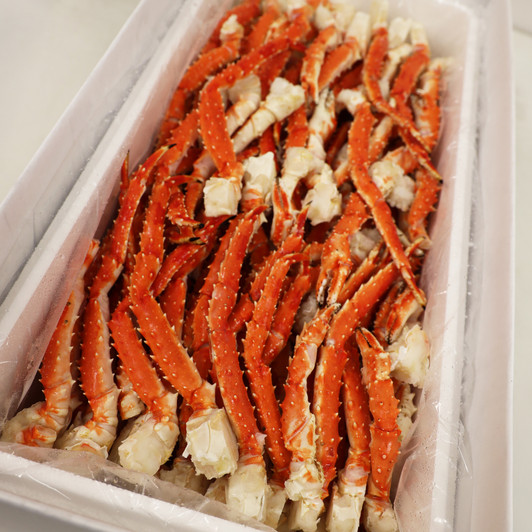
Frozen fish are types of seafood that are chilled, then frozen soon after catch or after processing. In most cases, through the use of proper modern techniques, the quality of frozen fish is as good as and sometimes even superior to fresh fish. Knowing the advantages of fresh vs frozen fish will help you make the right choice.
Why Fresh vs. Frozen Fish Matters When Buying Online
Quality Over Distance
Wherever we deliver fresh vs frozen fish in the world, we guarantee that either one of those options will follow our strict quality standards. Whether fresh or frozen fish, we offer high-quality seafood right at the customer’s door.
Shelf Life & Storage
One of the most obvious considerations in the debate between fresh vs frozen fish is in the shelf life: it’s very short for the former; however, with the latter, months may pass before the quality degradation sets in, provided the storage is done correctly. In this respect, frozen fish is an ideal option to be shipped across international boundaries.
Benefits of Fresh Fish
Superior Flavor & Texture
Fresh fish has tender flesh that is firmer when the processing is fast. This is the reason most customers prefer fresh fish for immediate use and fine dining.
Minimal Processing
Fresh fish undergoes minimal processing, preserving its pure flavor.
Ideal for Same-Day Consumption
If you’re going to cook it immediately, then you’ll want to go with a fresh fish. But remember, fresh vs frozen fish isn’t about something being fresher—it’s about how it’s been handled and transported.
The Beneficial Effects of Frozen Fish
Nutrition & Quality Preservation
Modern techniques of flash-freezing are able to retain most of the nutrients—protein, omega-3 fatty acids, and vitamins—contained in frozen fish and can even match fresh fish in quality.
Longer Shelf Life & Less Waste
Freezing fish keeps it for several months without spoilage or wastage if it is to be shipped to another country or even sold in the global seafood market.
Year-Round Wider Availability
With frozen fish, you can buy species out of season, and this opens up worldwide varieties. Frozen fish makes deliveries from all over the world a lot easier and more reliable, helping us ship across continents with ease.
Some go so far as to say that well-frozen fish outranks “fresh” fish that’s been sitting for a few days. Freezing at peak freshness often wins in fresh vs frozen fish debates.
Fresh vs. Frozen Fish: What the Science Says
Nutrition Retention
Scientific studies show that freezing preserves nutrients efficiently, making frozen seafood just as healthy as fresh fish.
Texture & Flavor Considerations
When thawed properly, frozen fish maintains a firm texture and clean flavor similar to fresh fish.
Safety & Shelf Life
Freezing helps eliminate bacteria and parasites, extending shelf life while maintaining safety standards for global shipping.
How We Handle Fresh vs. Frozen Fish for Worldwide Shipping
Global Reach & Logistics
We export fresh vs frozen fish from New York to Tokyo and from Paris to Dubai, with a guarantee that your product will arrive in the best possible condition thanks to our cold-chain and specialized packaging.
Fresh Fish Handling
We guarantee quality all the way to your door with rapid transport, chilled packaging, and express delivery.
Frozen Fish Handling
For frozen shipments, our process includes flash-freezing, vacuum packing, and maintaining temperature integrity throughout transport.
Choosing the Right Option for You
We will help you decide on fresh vs frozen fish based upon your needs—immediate use versus storage, local versus remote, and species availability.
You like delicate texture with the least thaw time
You are local or the catch is nearby
You are ordering from a remote location or overseas
You want access to specialty species out of season
Fresh Fish Choices
Fresh tuna fillets ready for slicing
Fresh cod, haddock, and white fish for immediate use
Frozen Fish Choices
Flash-frozen salmon and tuna for international shipment
Specialty frozen seafood species for global buyers
Whether you need fresh vs. frozen fish, we have both and can provide for all your needs—whether for cooking, business, or wholesale purposes.
Sustainability & Ethical Sourcing in Fresh vs. Frozen Fish
We source from certified fisheries, ensure responsible practices, and support businesses and consumers in getting quality seafood all over the world.
Tips for Buying and Storing Fresh vs. Frozen Fish
For Fresh Fish
Check catch date and refrigeration upon arrival.
Use immediately or same day for best quality.
Look for clear eyes, firm flesh, and no strong odor.
For Frozen Fish
Look for vacuum packaging without freezer burn.
Understand that well-frozen fish can be of the same quality as fresh fish.
Storage Guidelines
Fresh Fish Storage
Keep refrigerated at 0–4 °C (32–39 °F).
Use within 1–2 days.
Store in an airtight container, on ice if possible.
Frozen Fish Storage
Thaw in refrigerator or under cold running water.
Never refreeze after thawing.
Cooking & Serving Fresh vs. Frozen Fish
Preparation Tips
Fresh fish: lightly seasoned, quickly cooked.
Frozen fish: thaw properly, and pat dry before cooking.
Recipe Suggestions
Frozen fish: baked fillet served with seasonal vegetables.
Taste Expectations
When properly thawed and cooked, frozen fish has a firm texture and rich flavor; therefore, the fresh vs frozen fishdifferences are minimal for most consumers.
Our Pledge to You
We promise quality and sustainability in fresh and frozen fish deliveries around the world. Whether fresh vs frozen fish, one thing remains the same: the finest seafood shipped anywhere in the world and ready for your table.
FAQs About Fresh vs Frozen Fish
Is Frozen Fish Any Less Nutritious Than Fresh?
Not at all—freezing preserves most nutrients.
Can Frozen Fish Be Trusted for Sushi or High-End Dishes?
Yes. Most sushi-grade fish are frozen to kill parasites and lock in quality.
What About Sustainability?
Both fresh and frozen fish can be sustainable; look for certified fisheries and responsible catching or processing practices.
Seafood for Sale – Countries We Ship To Include:
- United States
- United Kingdom
- Europe
- Canada
- Germany
- Italy
- UAE
- Saudi Arabia
- Singapore
- Japan
- South Africa
- Brazil
- Australia
- North America
- And many more….
Conclusion: Fresh vs. Frozen Fish – It’s About Quality, Not Just Form
The real difference between fresh vs. frozen fish lies in how the fish was handled and shipped—not whether it’s labeled fresh or frozen. If done correctly, frozen fish can equal fresh fish in flavor, nutrition, and quality.
For international buyers, frozen fish offers a world of opportunity—especially for long-distance shipping. We make it easy: choose fresh vs. frozen fish to suit your needs, order online, and enjoy premium seafood delivered anywhere in the world.
From home cooks to restaurant chefs and wholesale buyers, we deliver the finest fish with global reach, reliable delivery, and ethical sourcing.