
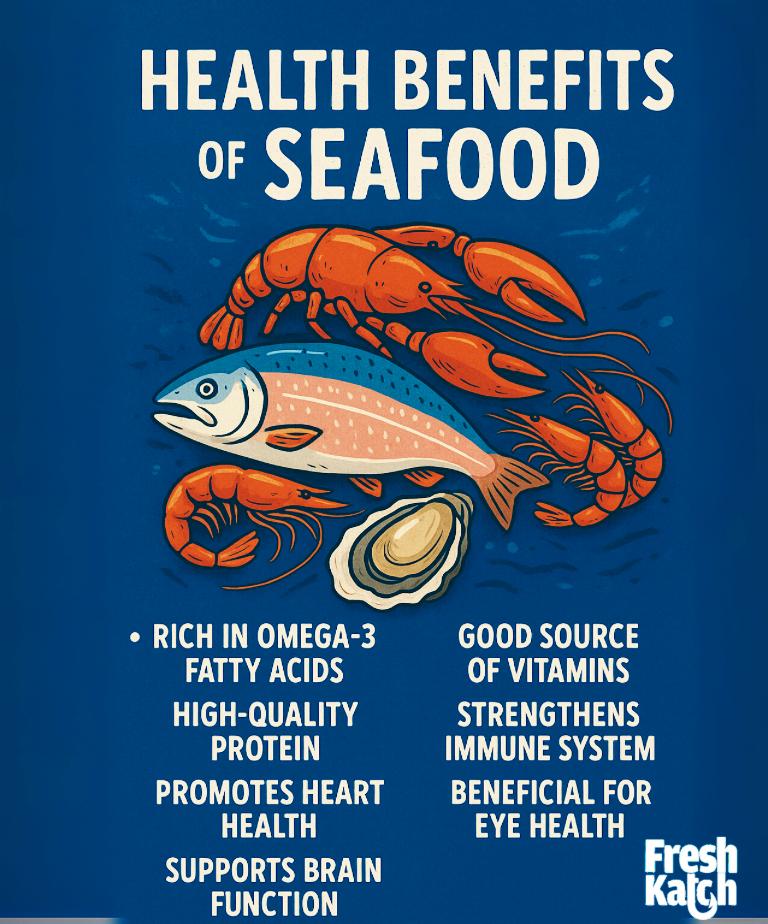
Unlock the Health Benefits of Seafood
Unlock the health benefits of seafood, why you should join the underwater superfood movement, and how we deliver it anywhere.
When it comes to healthy foods that give the most bang for their buck, seafood certainly is hard to beat. From salmon fillets with unctuous flakes, plump shrimp, or shellfish from pristine waters—all give a wide and varied range of health advantages very scientifically supported. Below in this long-form guide, we explain why seafood is so good for health—from your heart and brain to the immune system and skin, through to pregnancy and even weight management—and how we at your trusted worldwide seafood supplier make it possible to bring prime seafood right to your home, wherever you are in the world.
1. Why Seafood Is a Nutritional Powerhouse
Protein with a Difference
Generally, seafood is a good source of high-quality protein that is easily digestible. Typical seafood muscle contains about 18–20% protein and contains all essential amino acids.
Seafood, in general, is leaner in fat compared with other sources of animal proteins and is rich in micronutrient content.
Omega-3 Fatty Acids (EPA & DHA)
Probably the most discussed benefit of seafood is its content of the long-chain omega-3 fatty acids, including eicosapentaenoic acid, or EPA, and docosahexaenoic acid, or DHA. These nutrients are major contributors to much of the health benefits associated with seafood but are not commonly supplied in great quantities by many foods.
Rich in Vitamins and Minerals
Seafood is also a very good source of:
Vitamin B12, vitamin D, and vitamin A in many species
Selenium, iodine, zinc, potassium, and iron
Among those, the most interesting are taurine and marine collagen, because they have been studied for their health-promoting bioactive properties.
Lower in Saturated Fat
Lean cuts of seafood are low in fat and connective tissue, making them more heart-friendly and easier to digest.
2. Heart & Cardiovascular Health: A Key Benefit
Reduced Risk of Coronary Heart Disease and Death
Scientific opinion shows that 1–2 weekly servings of seafood can reduce coronary heart disease mortality among adults. Harvard studies suggest that one to two 3-ounce servings a week of fatty fish may cut the risk of dying from heart disease by over a third.
How It Works
Omega-3 fatty acids in seafood reduce triglycerides, improve cholesterol profiles, stabilize heart rhythm, decrease inflammatory markers, and support overall cardiovascular health.
Practical Application
Consume at least 2 servings of seafood per week, including fatty fish, prepared without heavy frying or sauces.
3. Brain, Cognitive & Mental Health Benefits
Cognitive Development & Prenatal Health
Seafood provides nutrients relevant to neurodevelopment in pregnant women and young children. EFSA concludes that 1–4 servings/week during pregnancy improve child neurodevelopmental outcomes.
Mental Health, Mood & Cognitive Decline
Omega-3s in seafood reduce neuroinflammation and support neurotransmitter synthesis. B vitamins and minerals further maintain cognition in older adults.
Recommended Types
Salmon, mackerel, and sardines 1–2 times per week.
4. Immune Support, Inflammation & General Health
Anti-Inflammatory Properties
EPA and DHA from seafood reduce systemic inflammation, a key factor in chronic diseases.
Immune-Supportive Nutrients
Selenium and iodine in seafood play crucial roles in antioxidant defense, thyroid function, and immune health.
Supporting Healthy Aging
Higher seafood consumption links to better body composition, weight management, and immune resilience.
Practical Takeaway
Non-fried preparation methods—steaming, baking, grilling—maximize the health benefits of seafood.
5. Muscle, Weight Management & Metabolic Health
High-Value Protein
As a complete protein, seafood contains all essential amino acids needed to build and repair muscle tissue.
Weight Management & Lean Body Composition
High-protein seafood increases satiety and reduces calorie intake compared with red meat or processed proteins.
Metabolic Health
Seafood improves insulin sensitivity and metabolic profiles, supporting diabetes risk reduction strategies.
Practical Takeaway
Include seafood a few times per week as a lean protein alternative to support muscle, weight, and metabolic health.
6. Skin, Hair, Bone & Pregnancy Benefits
Skin & Hair Health
Healthy fats in seafood improve skin elasticity, hydration, and reduce inflammation. Zinc supports scalp health and hair growth.
Bone Health
Shellfish and fish rich in vitamin D and calcium enhance bone density and reduce osteoporosis risk.
Pregnancy & Infant Health
Adequate seafood intake during pregnancy supports fetal brain and eye development while limiting preterm birth risk.
Practical Application
Pregnant individuals or those seeking skin and hair benefits should consume 2–3 servings of low-mercury seafood per week.
7. Global Access: How We Deliver Premium Seafood
Why Geography Matters
The best seafood comes from clean waters and is handled with cold-chain logistics to maintain quality.
What We Offer
Fatty fish rich in omega-3s
Shellfish and lean fish
International shipping
Freshness guarantee
Sustainability focus
Why This Matters for Health
Proper handling and transportation ensure maximum nutrient retention in seafood, preserving health benefits.
8. How to Choose & Prepare Seafood for Maximum Benefit
Choosing the Right Types
Fatty fish like salmon, mackerel, sardines, and trout are high in omega-3s. Lean fish and shellfish offer variety in protein and minerals.
Freshness & Safety
Check for firm flesh, minimal odor, and proper labeling. Avoid high-mercury varieties for frequent consumption.
Preparation & Serving Suggestions
Grill, steam, bake, or broil seafood with vegetables, whole grains, and light seasonings for maximum nutrition.
9. Addressing Common Concerns & Misconceptions
Mercury & Contaminants
Moderate intake of low-mercury seafood outweighs risk for most populations.
Sustainability & Overfishing
Choose responsibly sourced seafood certified by trusted organizations.
Preparation Issues
Avoid fried or heavily processed seafood to preserve health benefits.
Price & Accessibility
Global logistics ensure seafood is available to various regions reliably.
10. Why Choose Us for Global Seafood Delivery
Global Reach & Premium Sourcing
We export seafood worldwide with sustainable sourcing, traceability, and seasonal management.
Cold-Chain Logistics
Strict monitoring preserves freshness and nutrients of seafood from source to delivery.
Health-Based & Customer Support
We provide education on nutritional benefits, preparation methods, and integration of seafood into a healthy diet.
11. How to Include Seafood in Your Weekly Diet – Sample Meal Plan
Mon: Grilled salmon, quinoa, broccoli (fatty fish)
Tue: Shrimp stir-fry, brown rice (lean shellfish)
Wed: Sardines on toast, salad (small fatty fish)
Thu: Baked white fish fillet, sweet potato (lean fish)
Fri: Mackerel salad (fatty fish)
Sat: Clams and mussels linguine, salad (shellfish variety)
Sun: Seafood platter (shrimp, scallops, small fish)
Tips: Consume at least 2–3 servings/week, mix fatty and lean seafood, avoid frying.
12. Broader Impact: Health + Sustainability + Global Food Equity
Seafood provides nutrient-dense protein where other options are limited.
Shifting from red meat to seafood reduces cardiovascular burden and environmental impact.
International suppliers improve access to high-quality seafood globally.
Seafood for Sale – Countries We Ship To Include:
- United States
- United Kingdom
- Europe
- Canada
- Germany
- Italy
- UAE
- Saudi Arabia
- Singapore
- Japan
- South Africa
- Brazil
- Australia
- North America
- And many more….
13. Conclusion: Regular Seafood Intake Should Be Part of One’s Wellness Program
Seafood contains essential nutrients—omega-3s, high-quality protein, vitamins, and minerals. Evidence supports health benefits for heart, brain, immunity, muscle, and weight management. With global delivery, access is no longer limited by geography. Smart species choices, preparation, and cooking maximize benefits while minimizing risks.
We are committed to bringing premium seafood from around the world, combining health, quality, and sustainability. Your health—and the health of those you feed—will thank you.