
The Ultimate Seafood Moisture Tips: How to keep seafood fresh, juicy, and of high quality—and why we supply it worldwide
Quality seafood is all about moisture. Freshness, texture, flavor, and quality of seafood are ensured by the home cook, restaurant chef, and seafood retailer who knows just how to maintain that perfect level of moisture in it. Indeed, this seafood moisture tips guide is the most comprehensive Web resource on the subjects of preparation, handling, storage, thawing, cooking, and commercial export standards. More importantly, we will explain how our company utilizes advanced moisture retention processes to provide the best seafood to customers around the world. If perfection in seafood quality—from shrimp and salmon to cod, scallops, crab, lobster, and all the species in between—is what you seek, here are some proven seafood moisture tips that will change the way you care for and enjoy your seafood.
Why Seafood Moisture Matters More Than You Think
Of the abiotic factors affecting agriculture, moisture is the most important single factor determining
tenderness
juiciness
natural sweetness
texture
freshness perception
safe storage life
Moreover, seafood dries out more quickly than meat or poultry due to its fragile muscle fibers and naturally low fat percentage. Mastering seafood moisture tips translates into better results in the kitchen and very satisfied customers. We ensure that from the time of harvest and processing to packaging and freezing, and onward delivery for consumption by our customers worldwide, optimum moisture retention is guaranteed.
Chapter 1: Understanding Moisture in Seafood
What Causes Seafood to Lose Moisture?
Various natural processes act in the dehydration of seafood:
Postharvest protein breakdown
Storage or transit temperature variations
Poor defrosting practices
Overcooking
Exposure to air (oxidation)
Poor packaging or handling
Effective seafood moisture tips eliminate or reduce these issues when followed.
Why Moisture Affects Texture and Flavor
Seafood with sufficient moisture content includes:
smooth
tender
juicy
slightly sweet
aromatic
But when seafood is dry, it becomes
rubbery
chewy
stringy
bland
less nutritious
Moisture retention is important in the seafood business and just so happens to be one of the reasons our products maintain their natural quality, even when shipped across continents.
Chapter 2: Top Seafood Moisture Tips for Storage
Proper storage acts as the foundation for retaining moisture. Here are some of the key seafood moisture tips that should be adopted at home, in commercial kitchens, and by any seafood establishments.
Tip 1: Keep Seafood Ice-Cold at All Times
Seafood should be kept at a temperature between 0–4°C or 32–39°F. The colder it stays, the longer its moisture is locked in.
Store fresh seafood on crushed ice.
Use sealed containers to avoid contamination.
Seal in moisture by covering with plastic wrap or putting on lids.
Our international logistics system ensures perfect cold-chain conditions through the use of temperature-controlled containers to get seafood to its worldwide destinations in the freshest conditions.
Tip 2: Package in Moisture-Locking Packaging
Packaging helps preserve natural moisture. The best options include:
Vacuum-sealed bags
High-barrier films
Modified Atmosphere Packaging (MAP)
Polyethylene freezer wraps
These prevent dehydration and freezer burn, the two biggest enemies of seafood quality.
Tip 3: Avoid Exposure to Air
The most rapid loss of moisture occurs due to exposure to air.
Follow the following:
Seal packages tightly
Press out excess air from the bags
Never store seafood uncovered in the refrigerator
Store in airtight containers
All of our seafood export products are automatically vacuum-packed within minutes of processing to preserve the maximum moisture.
Chapter 3: Seafood Moisture Tips for Thawing
Thawing is where most home cooks, even restaurants, damage the quality of seafood. Here are some seafood moisture tips that will ensure perfect results.
Tip 4: Thaw Seafood Gradually in the Refrigerator
Never thaw seafood at room temperature.
Slow refrigeration thawing ensures:
minimal fluid loss
preserved texture
reduced bacteria growth
This may take several hours but provides the greatest moisture retention.
Tip 5: Thaw Seafood in Its Packaging
Do not open the package until thawing is complete.
Why?
It retains thawing juices
Reduces oxidation
Prevents cross-contamination
Prevents excessive absorption of moisture
This is the golden rule of seafood moisture tips.
Tip 6: Faster Thawing in Cold Water
If you’re in a hurry, use cold—not warm—water.
Place seafood (still sealed) in a bowl of cold water
Change the water every 30 minutes
Never use hot water
This prevents drastic moisture loss, hence preserving texture.
Chapter 4: Seafood Moisture Tips for Cooking
It is during actual cooking that moisture is most easily lost—so proper techniques are important to learn.
Tip 7: Do Not Overcook
This cannot be overemphasized.
Compared with meats, seafood cooks much quicker. Overcooking forces water out of the muscle fibres and causes the seafood to become tough and dry.
General seafood cooking temperatures:
Fish fillets: 125–140°F (52–60°C)
Salmon: 120–130°F (49–54°C)
Shrimp: cook until pink, C-shaped, not tight O-shaped
Scallops: firm, opaque, and springy
Mussels/Clams: shells open to indicate they are cooked
Our cooking recommendations are therefore an aspect of the support package that we offer to our customers worldwide.
Tip 8: Use Moist Heat Cooking Methods
For best moisture retention, try:
steaming
poaching
sous-vide
simmering
cooking en papillote – wrapped in parchment
These methods seal in natural juices much better than dry heat.
Tip 9: Utilize Moisture Retentive Marinades
Examples of marinades that protect food against moisture include:
olive oil
citrus juices
yogurt
buttermilk
brines
herbal blends
These form a kind of barrier around seafood when cooking, preventing the loss of water.
Tip 10: Accuracy with a Thermometer
It cooks correctly without overcooking or undercooking.
Thermometers offer consistency and tend to keep seafood moist every time—which is one of the most reliable seafood moisture tips in any pro kitchen.
Chapter 5: Seafood Moisture Tips for Commercial Buyers and Restaurants
Restaurants, seafood processors, and distributors need more sophisticated procedures in order to retain moisture. Here are a few industry-level seafood moisture tips used by major and leading global suppliers like us:
High-Speed Freezing
Flash freezing instantly locks in cellular moisture at –40°C.
It prevents:
formation of ice crystals
fibre fracture
drip loss
This ensures the seafood remains juicy even after it has been thawed.
Avoid Re-Freezing
Refreezing causes huge loss of moisture.
Avoid re-freezing any seafood at all when possible by always storing it properly in the first instance.
Control the Levels of Humidity
The level of humidity inside the commercial refrigerators should be in the range of 75–95% to prevent dehydration.
Seafood dries out very fast due to low humidity.
Checking Moisture by Testing
Large-scale processors use:
water activity meters
moisture analysers
drip loss tests
sensory evaluation
These ensure that the seafood maintains optimum moisture levels before export.
Chapter 6: How We Maintain Seafood Moisture in Global Shipping
We take the issue of moisture retention seriously, as our seafood products have to cross the globe to reach customers in Europe, Asia, Africa, North America, and the Middle East.
Advanced Processing
Our systems guarantee:
consistent water retention
minimum nutrient losses
optimal freshness
stable texture and flavor
We apply the same seafood moisture tips taught in this guide but scaled for industrial precision.
Vacuum-Sealed, Export-Grade Packaging
This prevents:
freezer burn
dehydration
flavor loss
crystal formation
Temperature-Controlled Logistics
From factory to shipping container to delivery, seafood is always at the perfect temperature.
This international cold chain ensures premium moisture and freshness upon arrival at any destination around the world.
Rapid Chilling & Freezing
Seafood is either chilled or frozen within minutes of harvest. This locks in natural moisture that home storage can’t match.
Chapter 7: Seafood Moisture Tips for Different Species
Seafood varies in the moisture level it needs. This section outlines how perfect moisture can be maintained in each.
Fish Fillets: Tilapia, Cod, Haddock
Moisture Tips:
keep skin on if possible
use light brines
stew gently
avoid high heat
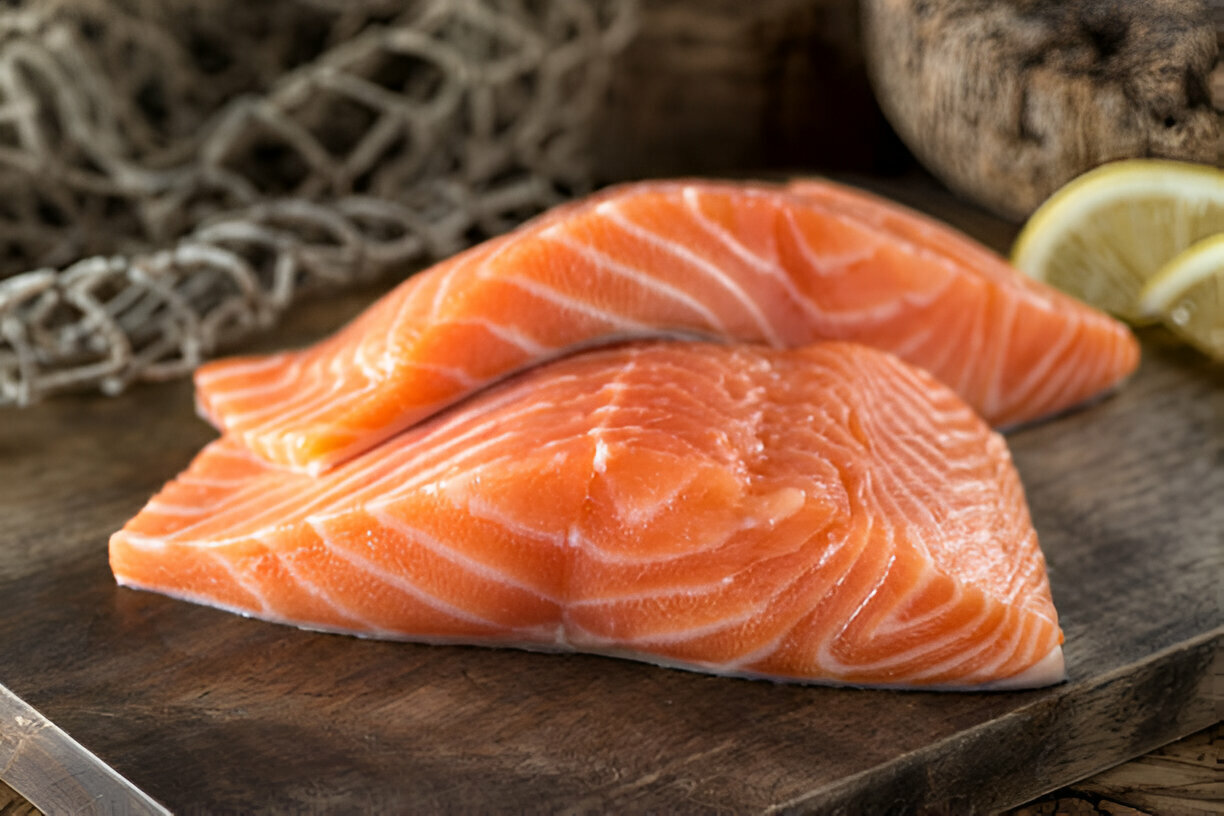
Salmon
Moisture Tips:
do not overcook above 130°F
cook skin-side down
use olive oil-based marinades
Tuna
Moisture Tips:
sear quickly
avoid well-done cooking
brush with oil for less dryness
Shrimp
Moisture Tips:
cook until C-shaped
brine for 10–15 minutes
do not boil vigorously
Scallops
Moisture Tips:
pat dry before searing
avoid over-salting
use butter or oil
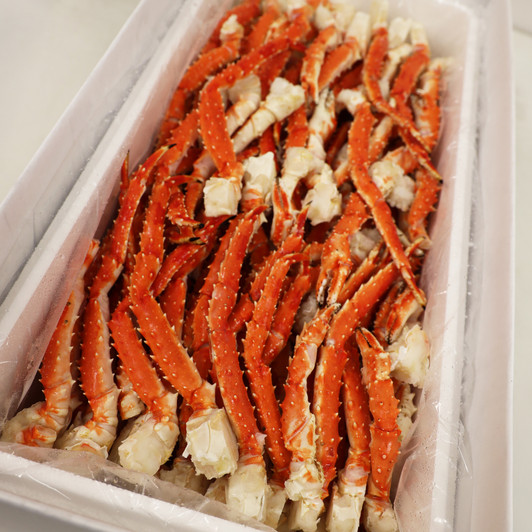
Crab & Lobster
Moisture Tips:
steam instead of boil
cool quickly after cooking
keep claws and shells on until serving
Chapter 8: Myths About Seafood Moisture
Several false notions lead to a loss of moisture. Let’s set them right.
Myth 1: Frozen seafood is of lower quality than fresh
Truth: Flash frozen seafood holds more moisture and freshness compared to seafood kept “fresh” for several days.
Myth 2: Seafood should be thawed in warm water
Warm water destroys texture and invites bacteria.
Myth 3: Squeezing seafood removes unwanted liquid
It damages fibers and destroys moisture levels.
Just follow the seafood moisture tips in this guide for much better results each time.
Chapter 9: Questions & Answers
Can seafood be refrozen?
No moisture nor texture will remain.
Does vacuum sealing really keep seafood moist?
It removes air and prevents dehydration. Yes.
Do you ship seafood to my country?
Of course, we proudly sell and ship worldwide with high-quality seafood products.
How should seafood be safely thawed?
Thaw slowly in the refrigerator to retain maximum moisture.
Countries We Ship To Include:
- United States
- United Kingdom
- Europe
- Canada
- Germany
- Italy
- UAE
- Saudi Arabia
- Singapore
- Japan
- South Africa
- Brazil
- Australia
- North America
- And many more….
Conclusion
The guiding principle in seafood regarding quality is moisture. From proper storage and thawing to cooking, good handling techniques preserve tenderness, flavor, and freshness throughout the entire process. These seafood moisture tipswill help you:
cook better meals
store seafood safely
reduce waste
improve texture
enjoy top quality
These principles ensure the delivery of fresh, succulent, and delicious seafood products to any part of the world, starting with the catch and followed at every processing and shipping stage. If you need a consistent international supplier of quality seafood, we are ready to serve you globally.