Smell and Seafood Tips: The Ultimate Guide to Fresh, Clean, Delicious Seafood — Delivered Anywhere in the World
Introduction
It is one of the best-tasting and healthiest food resources available on this earth. Be it salmon, tuna, shrimp, crab, lobster, scallops, or anything else, seafood offers a mix of flavor, protein, healthy fats, and versatility in the culinary world that’s hard to match. But there is one thing which concerns home cooks everywhere: the smell.
Whether it’s the smell of raw seafood on your hands, lingering cooking odors in the kitchen, or even uncertainty whether seafood is still fresh, seafood smell management is an important concern. That is what seafood smell tips are for: learning how to assess, reduce, and eliminate seafood smells will afford you a number of benefits in savoring a better meal, maintaining safer handling practices, and keeping your home clean and comfortable.
Your Brand Name deals in the finest varieties of seafood, deliverable to any place in the world. We are committed to educating our clients on how they can get the most from every order—from the selection of the freshest seafood through handling and storage, cooking, and finally cleanup—so you can enjoy seafood at any time without odor issues.
Why Seafood Smell Matters
More than comfort, it means safety, quality, and freshness in terms of understanding seafood smell, along with the pleasure of eating it. It should have a fresh, clean, ocean-like fragrance, but never strong or unpleasant-smelling. The moment seafood starts to spoil, the smell is completely different.
Reasons Seafood Smell Tips Are Important
Here’s why knowing seafood smell tips is important:
Odor: This is one of the fastest indicators of freshness in seafood.
Food Safety: One easily recognizable sign of bacterial growth is an off-odor.
Better Taste: When seafood smells right, it tastes better.
Home Comfort: No one likes lingering seafood smells after cooking.
Confidence: It takes away the hesitation when cooking, knowing this smell of seafood.
Our customers worldwide ask how they can keep seafood fresh during storage and preparation, especially for orders received from us through worldwide delivery. This guide is the comprehensive answer.
Seafood Odors: What Is Normal and What’s Not
1. Fresh Fish & Fillets
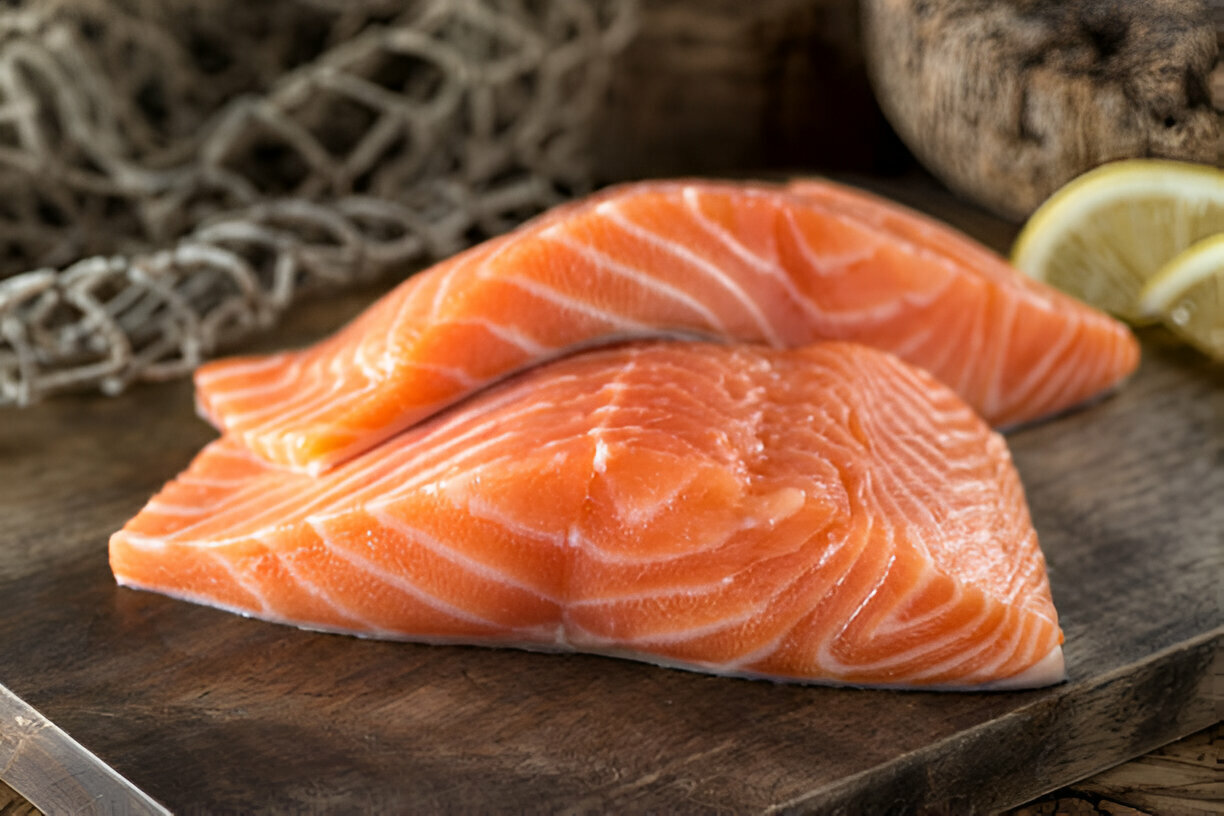
Fresh fish should smell:
Like the ocean
Light, clean, and slightly salty
Never sour, ammonia-like, or too “fishy.”
A strong smell of fish acts as an indicator of oxidation combined with bacteria.
2. Fresh Shellfish
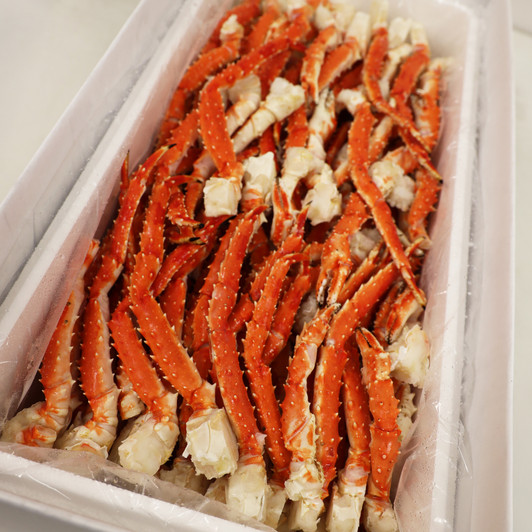
Shrimp, crab, scallops, and lobster should smell:
Clean
Briny
Slightly sweet
Any shellfish that smell of bleach, ammonia, or sulfur should be discarded.
3. Whole Fish
Fresh whole fish should have:
Clear eyes
Shiny scales
Firm flesh
A fresh sea fragrance
Cloudy eyes and strong smells indicate spoilage.
The following basics provide the primer for using seafood smell tips throughout this article.
Why Seafood Smells Stronger Over Time
Fish does contain naturally occurring compounds that have a tendency to oxidize rapidly once the seafood is taken out of the water. These, over a period, produce the typical “fishy smell.” Of those, the most common is trimethylamine or TMA. Its concentration increases with spoilage of seafood.
That is why seafood is:
handled,
stored,
cleaned, and
affects how much it smells.
We use the most modern methods of freezing and packaging to avoid the growth of bacteria and oxidation, thus reducing unwanted odors considerably, as we are shipping all kinds of seafood all over the world. When you open the package, however, storage and handling become of vital importance and another perfect moment to use your seafood smell tips.
Top Seafood Smell Tips for Freshness at Home
Here are some of the most effective and proven ways to reduce or eliminate seafood smell, from preparation through cooking to cleaning.
H2: Seafood Smell Tips to Choose Fresh Seafood
1. Trust Your Nose
The first and foremost rule is:
If it smells bad, it’s not for sale.
Of course, fresh seafood does have an aroma, but it is never harsh. Applying seafood smell tips starts here.
2. Look for Firm Texture
Fish fillets should spring back when pressed.
Seafood that is soft and mushy will almost always be more odorous.
3. Buy from Reputable Suppliers
A good supplier should possess the following:
Temperature stringently controlled
Fast processing procedures
The highest standards of hygiene
Airtight packaging
Here at [Your Brand Name], our global seafood delivery ensures that you get premium seafood directly from its source, frozen at the peak of freshness.
H2: Seafood Odor — How to Store Seafood Properly
Proper storage dramatically reduces odors.
H3: 1. Keep Seafood Cold — Very Cold
Seafood should be stored at:
32°F / 0°C (best)
Below 40°F / 4°C (acceptable)
The colder the temperature is, the slower it is to produce TMA, hence less odor.
H3: 2. Apply Ice Packs or Crushed Ice
Store seafood in a bowl of crushed ice inside the refrigerator.
Drain and replace the ice as it melts.
H3: 3. Store in Airtight Packaging
Air hastens oxidation.
Use:
Zip-seal bags
Vacuum-sealed bags
Airtight containers
Storage in airtight conditions is one of the most effective seafood smell tips you can use.
H3: 4. Keep Seafood Separate
Never store seafood next to:
fruits
vegetables
cooked food
dairy
This prevents increased spoilage and odor transfer.
H2: Smell of Seafood — Tips for Preparing & Handling
H3: 1. Cold Water Rinse
A quick rinse removes:
surface bacteria
excess odor-producing compounds
slime buildup
H3: 2. Soak in Milk for 15 Minutes
Casein in milk binds TMA, thus reducing odor immediately.
H3: 3. Lemon or Vinegar Rinses
Acidity neutralizes odors.
Use:
lemon water
white vinegar
apple cider vinegar
Soak for 1–3 minutes only.
H3: 4. Pat Dry Thoroughly
Higher moisture increases fishy-smelling compounds during cooking.
Seafood should always be patted dry before seasoning or cooking—another chance to apply seafood smell tips.
H2: Odorless Seafood Smell Tips for Cooking Seafood
Different cooking methods can make a big difference in smell; here’s a look at the most efficient options for reducing odor:
1. Cook with Aromatics
Use ingredients that mask odors naturally:
garlic, ginger, lemongrass, herbs, onions, citrus.
2. Bake Instead of Fry
Deep-frying and pan-frying spread airborne oils carrying smell.
Odors are better contained by baking and steaming.
3. Use an Air Fryer
Air fryers hold in smells and use less oil.
4. Open Your Windows
Ventilation is your best friend with seafood.
5. Simmer a Pot of Neutralizer
A pot of:
lemon slices
cinnamon
cloves
vinegar
Eliminates odor fast.
H2: How to Clean Up After Cooking — Seafood Smell Tips
Even fresh seafood can have lingering odors. Here’s how to remove them fast:
1. Clean Immediately
Leaving scraps increases odor.
2. Baking Soda
Sprinkle on counters, sinks, and cutting boards.
It absorbs strong smells quickly.
3. Steam with Vinegar
Add 1 cup of vinegar to boiling water.
The steam neutralizes cooking odors immediately.
4. Take Out the Garbage Immediately
Even small scraps create strong smells within hours.
5. Wash Hands with Stainless Steel
Rub hands on stainless steel to eliminate fish odor.
These seafood smell tips keep your kitchen fresh day after day.
H2: How We Supply Fresh, Low-Odor Seafood Worldwide
We specialize in fresh, clean, and odor-controlled seafood so customers can confidently order from Dubai, Paris, or New York.
Our Freshness Guarantee Includes:
Ultra-fast freezing after catch
Vacuum-sealed packaging
Temperature-controlled worldwide shipping
Hygienic fish processing
No-odor ice packs
Rigorous moisture control
This means your seafood arrives cleaner, fresher, less smelly, and better tasting than seafood bought at many local markets.
H2: Why Our Seafood Smells Fresher Than Others
1. Caught at Peak Freshness
We work with trusted fishermen who follow strict timelines.
2. Processed Within Hours
Delays increase odor—ours are minimal.
3. Global Cold-Chain Shipping
Overseas shipments remain frozen and odor-free.
4. Quality Packaging
Double-sealed, vacuum-packed, and insulated.
5. Freshness Guaranteed
If it’s not fresh, we replace it.
Customers worldwide trust us not only for taste but also for freshness, supported by proven seafood smell tips.
H2: Common Myths About Seafood Smell — Debunked
Myth 1: All Seafood Smells Bad
False—fresh seafood should have a mild smell.
Myth 2: Frozen Seafood Smells More
High-quality frozen seafood often smells better than poorly stored fresh seafood.
Myth 3: Shellfish Are Always Pungent
Good shellfish smell like the ocean.
Myth 4: Smell Means Seafood Isn’t Safe
Mild odors can be normal; strong ammonia means discard.
H2: Extra Seafood Smell Tips for Specific Types
Fish
Soak in lemon water
Cook with herbs
Store in vacuum-sealed bags
Shrimp
Rinse thoroughly
Shell and devein
Keep very cold
Crab & Lobster
Cook immediately after thawing
Vinegar wash
Scallops
Pat dry
Sear quickly
Do not overcook
Although slightly different seafood smell tips apply to different seafood types, freshness always starts with proper storage.
H2: Final Seafood Smell Tips — The Ultimate Summary
To keep seafood smelling fresh and clean:
Buy from trusted worldwide suppliers
Keep seafood very cold
Offset smells with acidity
Cook with aromatics
Clean immediately
Store airtight
Check for spoilage signs
Ventilate while cooking
Follow these seafood smell tips, and you can enjoy seafood without odors.
Countries We Ship To Include:
- United States
- United Kingdom
- Europe
- Canada
- Germany
- Italy
- UAE
- Saudi Arabia
- Singapore
- Japan
- South Africa
- Brazil
- Australia
- North America
- And many more….
Conclusion: Fresh Seafood Is Easy with the Right Tips
Seafood is supposed to be an appealing meal, not a frightening one. Once you understand the proper knowledge and technique, and apply a few seafood smell tips, you will be able to enjoy odor-free high-quality seafood in the comfort of your own home.
And when you choose [Your Brand Name], you get:
Fresh, great seafood
Odor-controlled packaging
Fast processing
Worldwide delivery
that brings ocean-quality seafood right to your door. Browse our vast selection today and taste seafood the way it was meant to be—fresh, flavorful, and worry-free.