
The Ultimate Guide to Fish for Smoking: Global Supply, Best Species, and Expert Tips
Introduction
Among the world’s oldest methods of food preservation, smoking turns fresh seafood into richly flavored, long-lasting delicacies. Demand is rising fast from traditional African kitchens and artisanal European smokehouses to commercial producers supplying supermarkets.
As a global seafood supplier of fresh and frozen fish to more than 50 countries, we realize the importance of choosing the right fish for smoking—the species that offer powerful flavor, optimal fat content, and consistent quality. Be it a restaurant, a processor, a retailer, smokehouse, or distributor, choosing the right fish for smoking dramatically affects your final product.
This in-depth, 3000-word guide covers the best species to choose, preparation processes, global market trends, and how our company ensures top-grade fish for smoking ready for international shipment.
Why Smoking Fish Remains a Global Culinary and Commercial Tradition
1. Extended Shelf Life
Smoking removes moisture, kills bacteria, and extends the shelf life of the fish considerably, which, for remote areas or areas without refrigeration, is very important.
2. Flavor and Rich Texture
Whether cold-smoking salmon or hot-smoking mackerel, individuals simply love the deep, smoky flavor. Choosing the right fish for smoking maximizes that flavor.
3. High Market Value
Smoked fish fetches premium prices in the markets of Europe, the Middle East, North America, and Asia. Exporters, smokehouses, and distributors depend upon consistent access to high-quality fish for smoking.
4. Worldwide Demand
Smoked fish travels well, so markets from Dubai to London to Lagos import bulk quantities of fish for smoking from reliable suppliers like us.
Characteristics of the Best Fish for Smoking
Choosing the right fish for smoking requires knowledge of what qualities make some species superior to others.
1. Higher Fat Content
Fat is the carrier of flavour. Oily fish take up smoke well, and also stay moist during long sessions of smoking.
Examples:
Salmon
Mackerel
Herring
Trout
Sardines
These naturally oily species are considered high-quality fish for smoking.
2. Firm Texture
Fish that hold together during brining and smoking yield better results.
3. Uniform Size
Uniform size ensures even smoking, which is important for commercial processors and restaurants.
4. Freshness
The fresher the fish, the cleaner and better the smoked flavor. We supply fresh and frozen fish for smoking, which is harvested, processed, and shipped in strict cold-chain conditions to maintain quality worldwide.
Top 15 Best Fish for Smoking: A Global Breakdown
Below is a listing of the most popular fish for smoking in the world, including information on how each species behaves during smoking, and why global processors love them.
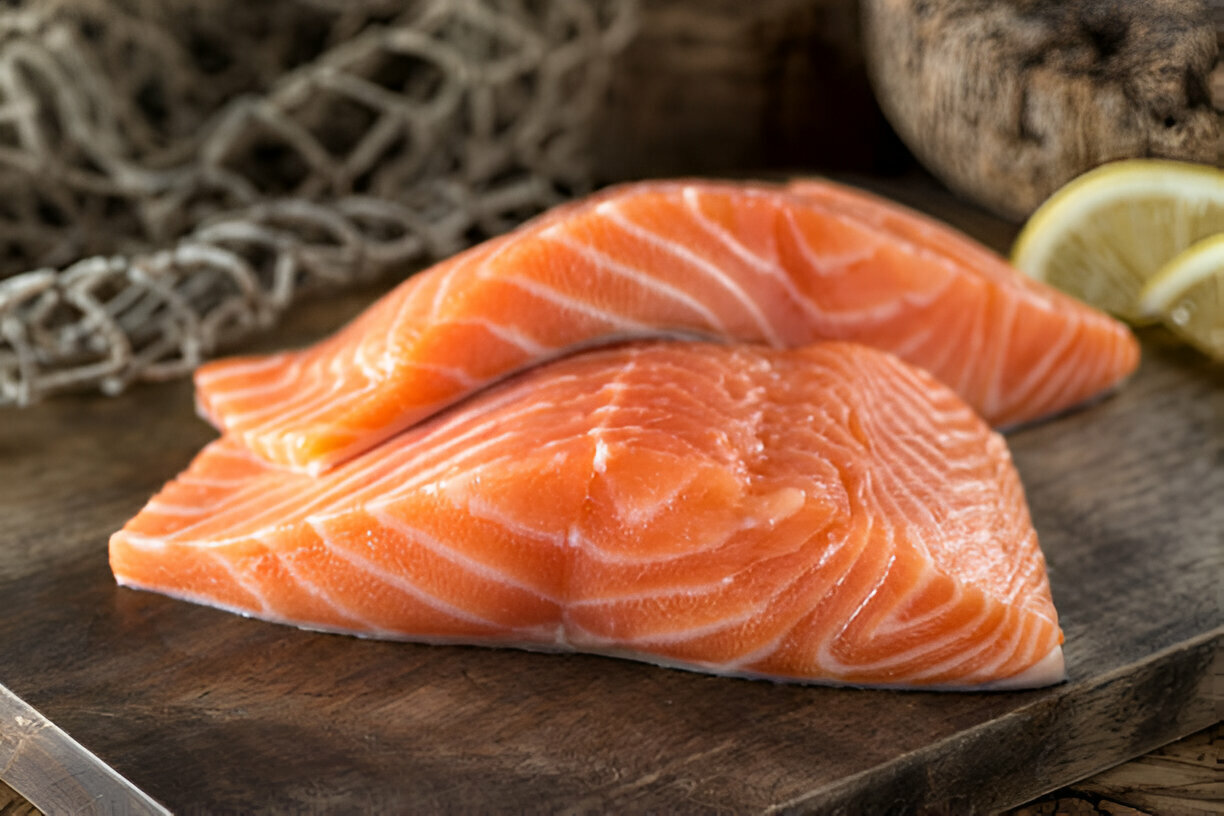
1. Salmon — The King of Fish for Smoking
Salmon is the gold standard in the smoked fish market, with its fat content, firm flesh, and mild flavor, all combining to make it the best fish to smoke.
Popular varieties:
Atlantic Salmon
Sockeye
Coho
King Salmon
Used in:
Cold-smoked salmon (lox)
Hot-smoked salmon fillets
Retail and wholesale portions
We export only high-quality, export-grade salmon to smokehouses throughout Europe, Asia, and Africa.
2. Mackerel — Rich Flavour and High Oil Content
Mackerel absorbs smoke deeply, hence creating strong flavors loved in African, Asian, and Mediterranean cuisines.
Smokers love it because:
It is oily
Smokes fast
Mackerel is among the most demanded fish for smoking in bulk shipments.
3. Herring — A Traditional Smoked Staple
Herring plays an important role in Northern Europe’s smoking traditions.
Products include:
Kippers
Smoked fillets
Its high oil makes it an excellent fish for smoking.
4. Trout — A Tender but Classy Smoked Fish
Trout has a mild but full flavor and is suited for premium retail markets. It is often hot-smoked whole or as fillets.
5. Sardines — Small but Powerful
Sardines take smoke particularly well. They are among the most economical and flavorful fish for smoking for commercial processors.
6. Catfish — A Smoking Favorite in Africa and the U.S.
Catfish work well for hot-smoking with firm flesh and mild flavor.
Popular in:
Nigeria
Ghana
United States
We are exporters of ready-to-smoke, processed, and frozen catfish around the world.
7. Tilapia — An Affordable Smoked Classic
8. Tuna — High-End Smoked Seafood
While tuna is not conventionally smoked in bulk quantities, it nonetheless remains a luxury fish for smoking, used in:
Smoked tuna steaks
Smoked tuna flakes
Gourmet retail products
9. Cod — Mild, Flaky, and Perfect for Smoking
Used widely in Scandinavian markets and Canadian smoked fish production. Cod absorbs smoke well but remains firm after smoking.
10. Snapper — Caribbean and African Smokehouse Favourite
Both red snapper and lane snapper smoke very well, adding versatility to retail and restaurants.
11. Haddock — The British Favorite
Used in the famous smoked dish “Finnan Haddie.” Mild flavor appeals to wide markets.
12. Barracuda — A Powerhouse for Hot Smoking
Firm, meaty, and ideal for hot-smoking in African and island cuisines.
13. Swordfish — Gourmet Smoked Fillets
The steak-like texture makes swordfish excellent for cold-smoking markets.
14. Yellow Croaker — Asian Smoked Favorite
Highly commercialized in Korea and China, widely used in Asian export markets.
15. Eel — A High-Value Smoked Delicacy
Cold Smoking vs. Hot Smoking: Which Method Suits Which Fish?
Understanding smoking methods helps in choosing the right fish for smoking for your business.
Hot Smoking (70–120°C)
Best for:
Mackerel
Tilapia
Catfish
Trout
Barracuda
Hot smoking cooks the fish and provides it with a flaky texture and a bold, smoky taste.
Cold Smoking (20–30°C)
Best for:
Salmon
Tuna
Cod
Haddock
Eel
Cold smoking preserves texture and creates premium-grade products suitable for retail and export.
Preparing Fish for Smoking: Commercial and Home Methods
Be it a smokehouse or an enthusiast at home, preparation will define your end product’s quality.
1. Cleaning and Filleting
Fish should be cleaned and filleted according to customer needs.
2. Brining
Brines add flavor and aid preservation.
Types of brines:
Wet brine
Dry brine
3. Drying
Fish must be air-dried or chilled to form a pellicle, the sticky layer that holds smoke.
4. Smoking Process
Wood choices include:
Hickory
Applewood
Oak
Cherry
Mesquite
Different woods pair better with different fish for smoking species.
The Global Market for Fish for Smoking
Demand is rising across continents due to:
Appreciation of traditionally smoked seafood
Premium restaurant growth
Expanding export markets
Rising interest in preserved, high-flavor foods
We export bulk fish for smoking to:
Smokehouses
Importers
Wholesalers
Supermarkets
Food manufacturers
Restaurants
Hotels
Our shipments reach clients in:
Europe
Africa
Middle East
North America
Asia
Island nations
Why Choose Us as Your Global Supplier of Fish for Smoking
1. Large Variability in Species
We supply all major fish for smoking species, including:
Salmon, Mackerel, Herring, Tilapia, Catfish, Croaker, Snapper, Sardines, Tuna, Cod.
2. International Certifications
Our facilities meet:
HACCP
ISO
EU export standards
FDA compliance
MSC/ASC certifications (where applicable)
3. Reliable Worldwide Shipping
4. Bulk Supply for Industrial Buyers
Boxes, pallets, and containers available.
5. Competitive Wholesale Prices
Volume discounts provided.
6. Custom Processing
We prepare fish as needed:
Whole
Fillets
Butterfly cuts
Cleaned and gutted
Graded by size
7. High Consistency & Quality Control
Shipments are inspected for freshness, fat content, size, and texture to guarantee the best results possible for smoking.
How to Buy Fish for Smoking From Us
Contact our sales team with your required quantity
Select species and size grading
Choose fresh or frozen format
Approve proforma invoice
Shipment arranged within days
We ship by:
Air freight for speed
Sea freight for large orders
Countries We Ship To Include:
- United States
- United Kingdom
- Europe
- Canada
- Germany
- Italy
- UAE
- Saudi Arabia
- Singapore
- Japan
- South Africa
- Brazil
- Australia
- North America
- And many more….
Conclusion: The Global Future of Fish for Smoking
Demand for quality fish for smoking is increasing due to broader international markets, rising consumer interest, and growing smoked seafood consumption. Whether you’re a smokehouse, food processor, importer, or retailer, dependable supply ensures consistency and strengthens your market presence.
We proudly supply the finest fish for smoking, unmatched for variety, reliability, and service. If you are ready to source top-grade fish for smoking, we encourage you to reach out and start your global supply partnership today.